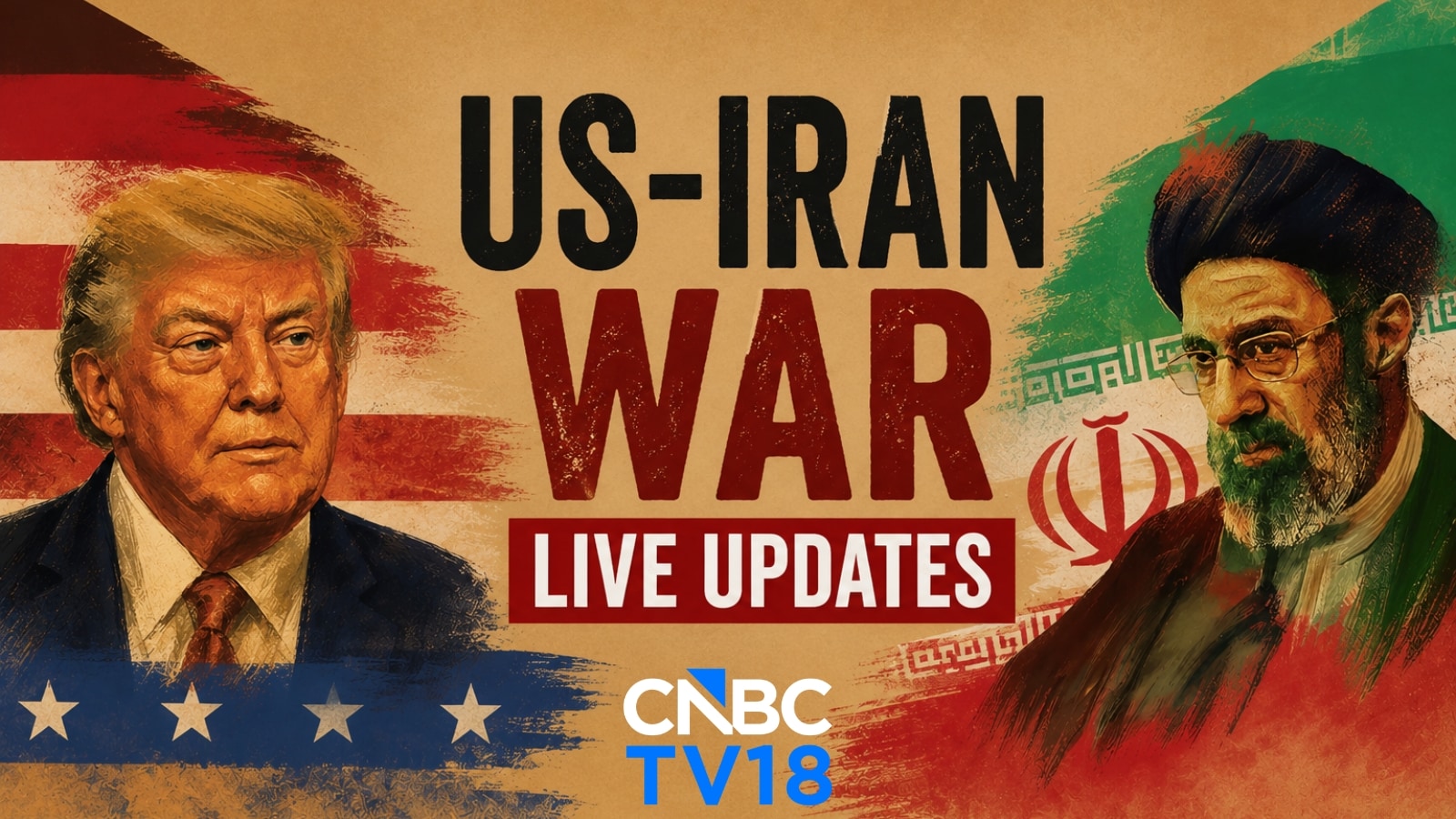
"Not necessary at this point." Four words. Millions of headlines. Zero serious analysis.
When a president says military action against Iran is not necessary right now, lazy pundits hear peace. They hear de-escalation. They hear calm markets and quiet skies. You might also find this similar article interesting: Why Dhaka Rejected Sheikh Hasina's Passport Request and Demanded Her Extradition Instead.
They are reading the wrong board.
"Not necessary at this point" is not a promise of restraint. It is a conditional statement with an expiration date baked into the syntax. A trigger waiting for a fuse. As highlighted in latest coverage by USA Today, the implications are significant.
The standard coverage treats a pause in strikes as a return to normal. That is analytical malpractice. In strategic affairs, a pause is often just staging. Logistics move. Air defenses get mapped. Proxies test edges. Diplomacy runs on a clock while deterrence gets priced in hours and days.
Everyone wants to ask whether the United States will strike Iran this week. That is the wrong question. The real question is what kind of pressure already exists without a single bomb dropping—and why declaring calm today blinds everyone to how escalatory spirals actually start.
The Lazy Consensus Around "Not Necessary"
Read the standard framing again. A leader signals hesitation or patience on military force, and commentators rush to declare a turning point. Either the hawkish threat was bluffing, or restraint has won the day.
Both readings assume a binary switch. Off or on. Peace or war.
Modern interstate friction rarely works like a light switch. It works like a dimmer dial turned up a notch every time someone assumes the other side will blink first.
I have watched defense and risk desks burn serious money treating diplomatic pauses as off-ramps. Teams pull hedges too early. Supply-chain planners treat a quiet news cycle as proof that chokepoints are safe. Then one tanker gets clipped, one base takes indirect fire, or one proxy crosses an unspoken line, and everyone acts shocked that "no action necessary" turned into crisis management overnight.
The mistake is confusing timing with intent. Saying action is unnecessary at this point tells you about the current threshold, not the permanent ceiling. Thresholds move. Sometimes fast.
Deterrence Is Not Peace
Political scientists and strategists—figures from Thomas Schelling on coercion and brinkmanship to modern conflict analysts studying gray-zone escalation—have spent decades showing that threats, restraint, and signaling operate in a continuous loop. Coercion is not just hitting someone. It is making them believe you can and might hit them later if they cross a line.
When a leader says force is unnecessary right now, two things happen at once:
- Signal to adversaries: A clear marker of what behavior currently stays below the red line, paired with an implicit warning that crossing it changes the math.
- Signal to allies and markets: A temporary exhale, often mistaken for a permanent settlement.
Markets love relief rallies. Relief rallies are terrible teachers of geopolitics. A quiet afternoon in the Persian Gulf or the Strait of Hormuz does not erase structural friction between Washington and Tehran. It simply means the cost-benefit calculation at that exact hour has not tipped over into overt kinetic war.
Precision Terms Matter More Than Headlines
Loose language ruins analysis before it starts. Before debating whether strikes are coming, separate a few distinct concepts that cable news mashes together:
- Kinetic strikes: Direct military attacks using aircraft, missiles, drones, or naval fire against targets.
- Gray-zone coercion: Pressure short of declared war—cyber operations, maritime harassment, proxy attacks, sanctions enforcement, and covert interdiction.
- Escalation dominance: The ability to impose higher costs at a given rung of conflict while retaining options above it.
- Off-ramp: A credible political or diplomatic exit that lets both sides step back without looking humiliated.
When headlines say military action is not necessary, people hear "zero conflict." What they actually mean is "no overt kinetic campaign ordered at this moment." Gray-zone friction can run hot while kinetic headlines stay cool.
Why People Ask the Wrong Questions
Public curiosity around Iran always clusters around the same predictable queries. Most of them start from a broken premise.
"Does this mean war with Iran is off the table?"
No. Calling something unnecessary today only says it is not the chosen tool today. Statecraft is situational. A strike can be judged unnecessary on Monday and unavoidable by Thursday if an embassy is hit, shipping is choked, or a calculation on nuclear breakout or regional retaliation shifts. Treating today's rhetoric as a permanent guarantee is a rookie error.
"Why doesn't the US just strike or walk away completely?"
Because "just strike" and "walk away" are both fantasy options in a dense regional web.
A major strike carries immediate retaliation risks against regional bases, diplomatic posts, shipping lanes, and global energy prices, plus the danger of pulling the United States into an open-ended regional war nobody wants. Walking away completely leaves allies exposed, invites wider regional testing, and signals retreat in a theater where perceived weakness invites pressure.
State leaders get stuck between bad options and worse options. Delay and conditional warnings are often how they buy time while trying not to lose control of the ladder.
"Are oil markets safe when leaders downplay military action?"
Only if you confuse a calm spot price with zero risk premium. Energy markets price probabilities, not guarantees. When tensions ease rhetorically, risk premiums compress. When a single incident hits transit routes or production infrastructure, repricing happens in minutes, not weeks. Calm rhetoric lowers immediate fear; it does not remove physical vulnerability around chokepoints.
The Mechanics Beneath the Headline
To see what is actually happening beneath a "not necessary at this point" line, look at the moving parts most commentary ignores.
1. Thresholds Are Moving Targets
Every conflict has an invisible threshold—the point where political leaders decide the cost of inaction exceeds the cost of action. That threshold is not carved in stone. It shifts based on domestic politics, alliance pressure, intelligence assessments, recent provocations, and economic pain.
A leader can genuinely believe action is unnecessary today while building the political and military groundwork for tomorrow. Conversely, a leader can want to avoid war and still get dragged past a threshold by someone else's miscalculation.
2. Proxy Dynamics Create Plausible Friction
Direct U.S.-Iran clashes are high-stakes events everyone knows can spiral. Indirect pressure through regional proxies is messier, slower, and harder to cleanly attribute or contain. Even when Washington holds back on direct strikes, friction can keep simmering across the region. That creates a strange reality: no war in the headlines, plenty of pressure on the ground.
3. Diplomatic Leverage Needs Credible Teeth
Negotiation and pressure rarely live in separate rooms. A tough posture paired with conditional restraint is often used to test whether concessions or behavior shifts can be extracted without firing a shot. If the threat of force vanishes completely, leverage drops. If force is used prematurely, options narrow. Conditional language tries to hold the middle ground—even when that middle ground is narrow and slippery.
A Thought Experiment: How Quiet Turns Loud
Imagine a scenario where a president states on Tuesday that military action against Iran is not necessary at this point. Markets breathe easy. Analysts write pieces about pragmatism and restraint.
On Wednesday, regional tensions look unchanged on paper. On Thursday, an unattributed attack hits a commercial vessel near a critical shipping lane, or a rocket barrage wounds personnel at a regional outpost, or a new intelligence assessment flags a sudden shift in posture. Suddenly, the exact same set of actors faces a completely different risk equation.
Nothing about Tuesday's statement was necessarily a lie. The situation simply moved. In fast-moving security environments, yesterday's sufficiency assessment expires the moment the facts change.
The Downside of Being Contrarian (And Where I Could Be Wrong)
A contrarian view that pretends to have zero blind spots is just another brand of hype. Here is the honest catch with treating restraint as fragile.
First, leaders sometimes mean what they say. Political incentives against foreign entanglements can be very real. Domestic exhaustion with prolonged conflict, economic priorities, and fear of unintended blowback can push a government toward genuine restraint even under heavy pressure.
Second, crying wolf carries a cost. If every calm headline is treated as a disguised war drum, analysts and decision-makers lose calibration. You can over-read tension just as easily as under-read it. A de-escalation signal can actually hold if incentives align on enough sides.
Third, long standoffs can grind down without exploding. Not every cold standoff ends in a hot war. Some drag on for years through sanctions, containment, diplomatic freezes, and intermittent friction without crossing into full-scale military conflict.
Admitting those limits matters. The goal is not paranoia. The goal is clear-eyed probability thinking instead of headline worship.
What Smart Operators Actually Do Instead
If you run a business, manage risk, invest capital, or track geopolitics for a living, stop trading on single quotes. Build a better playbook.
- Separate rhetoric from posture. Watch force movements, readiness signals, shipping advisories, and diplomatic channels alongside speeches. Words are cheap; deployments and insurance rates cost real money.
- Stress-test for sudden repricing, not just worst-case war. You do not need a full-scale regional war to disrupt supply chains, freight costs, or energy prices. Even short-lived spikes and rerouting hurt unprepared operators.
- Avoid binary bets on "calm" or "crisis." Position portfolios and operations so a quiet month does not wreck you and a sudden shock does not wipe you out. Extremes punish overconfidence on both sides.
- Track the triggers, not the talking heads. Pay attention to what the decision-makers themselves call crossing a line—personnel harm, shipping disruption, nuclear milestones, or direct attacks—because those are the real tripwires.
"Not necessary at this point" is a snapshot, not a forecast. Watch the shutter speed.