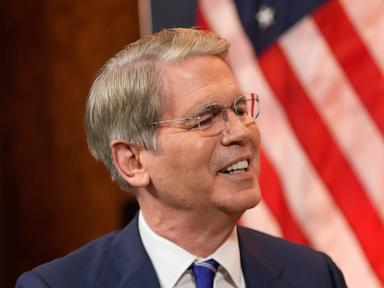
Washington loves a spreadsheet solution to a geopolitical nightmare. Treasury announces another designation, a bureaucrat signs off on a blocked wire transfer, and the press corps treats it like a body blow to Tehran. Scott Bessent tells the Associated Press that another bank is on the chopping block to clamp down on illicit transactions.
It is theatre. Expensive, exhausting, entirely predictable theatre.
I have spent years watching institutions try to police sovereign liquidity through compliance checklists. I have seen compliance budgets balloon into nine figures while the target assets simply slide into the shadows. The lazy consensus in Washington insists that if you just squeeze hard enough on formal banking corridors, the money stops moving.
They are missing the plumbing.
When you choke off a traditional commercial bank, you do not destroy liquidity. You merely force it down into lower-friction, higher-entropy channels. You push transactions into hawala networks, crypto-adjacent stablecoin loops, state-backed barter systems, and opaque shell structures anchored in jurisdictions that view American secondary sanctions as an aggressive foreign tax rather than a legal deterrent.
The Compliance Illusion
Let us define what a financial sanction actually is. It is a prohibition on access to the dollar clearing system. It works brilliantly against entities that desperately need to buy US treasuries, settle debts in New York, or maintain accounts with global correspondent banks.
It fails completely against entities that have systematically optimized their balance sheets to operate outside Western sightlines for forty years.
When a bank gets designated, the immediate reaction in compliance departments is panic. Risk officers freeze accounts, audit trails light up, and politicians take a bow. But look at what happens six months later. The principals behind those transactions have already spun up three new front entities with untraceable directors, registered in free-trade zones that treat US Treasury advisories as background noise.
I have watched compliance teams spend millions of dollars building elaborate screening software to catch sanctioned actors, only to watch those exact actors pivot to physical commodities trading. Oil does not care about SWIFT codes. A tanker goes dark off the coast of Oman, executes a ship-to-ship transfer in international waters, gets repainted, and discharges crude into a private refinery whose ultimate parent company is miles away from any Western jurisdiction.
The Cost of Paper Victories
The real tragedy of this perpetual sanctions loop is the collateral damage it inflicts on legitimate cross-border commerce while barely denting state-level objectives.
Every time Treasury widens the net, global financial institutions react by retreating into total risk aversion. They engage in widespread de-risking. They cut off entire regions, legitimate NGOs, and small-scale exporters who cannot afford bespoke legal defense teams. We create a financial desert in the name of security, and then act surprised when illicit actors are the only ones resilient enough to survive in it.
Imagine a scenario where a mid-sized trading house in Dubai needs to settle a multi-million-dollar shipment. Because of constant sanction expansions, every major bank drops them out of an abundance of caution. Do they fold their business? No. They shift their capital to decentralized or alternative settlement rails. They bypass the US financial architecture permanently.
Every designation accelerates the de-dollarization trend that American policymakers claim to fear. You cannot weaponize the world currency and expect people to keep using it as a neutral utility. You teach them how to build workarounds.
What Actually Works
If you want to disrupt illicit cash flows, stop playing whack-a-mole with commercial banks. The targets do not care about retail banking access.
Real disruption requires targeting physical chokepoints and maritime logistics. It means interdicting vessels, seizing physical cargoes at sea, and going after the logistics providers who insure and manage the ghost fleets. It requires acknowledging that financial transactions are a lagging indicator of trade. If the oil is moving, the money will find a way to follow. Chasing the money while ignoring the barrel is institutional theater.
Stop celebrating designations as victories. They are public relations statements disguised as strategy. Until Washington understands that liquidity is like water—it always finds a crack—we will keep reading the exact same headline about the exact same sanctions, year after year, while the vaults stay full.
Burn the playbook.