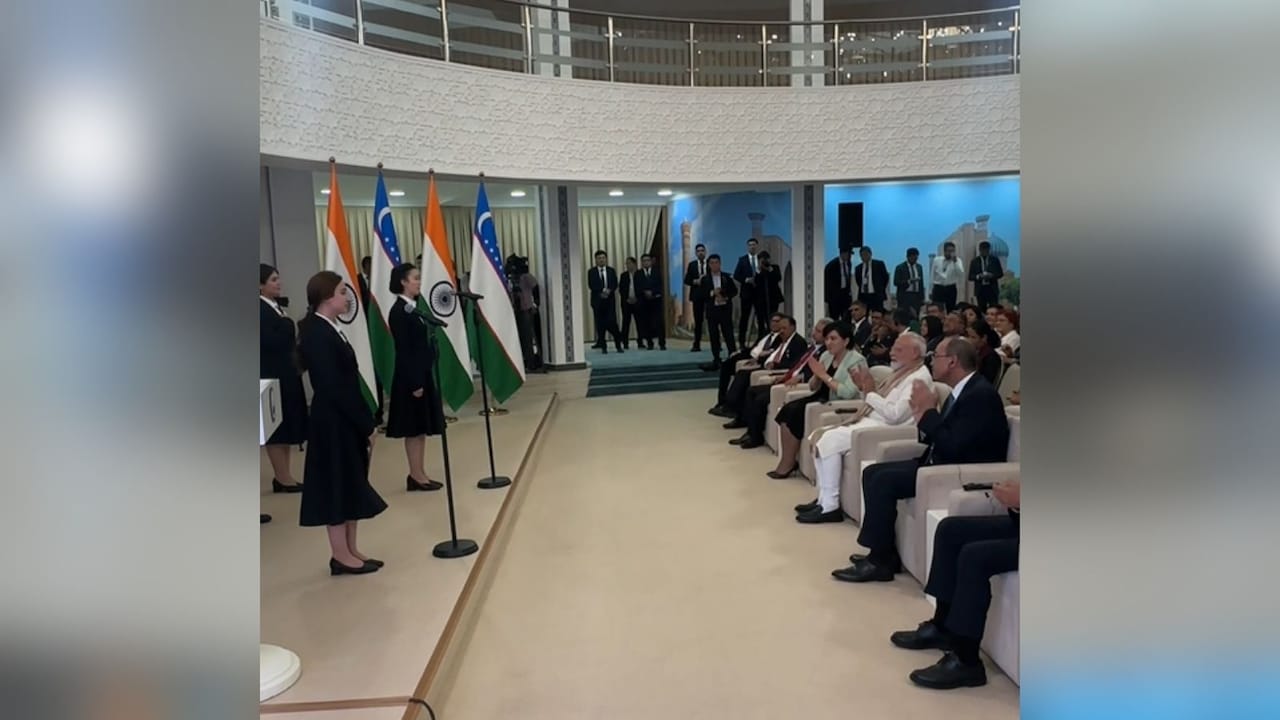
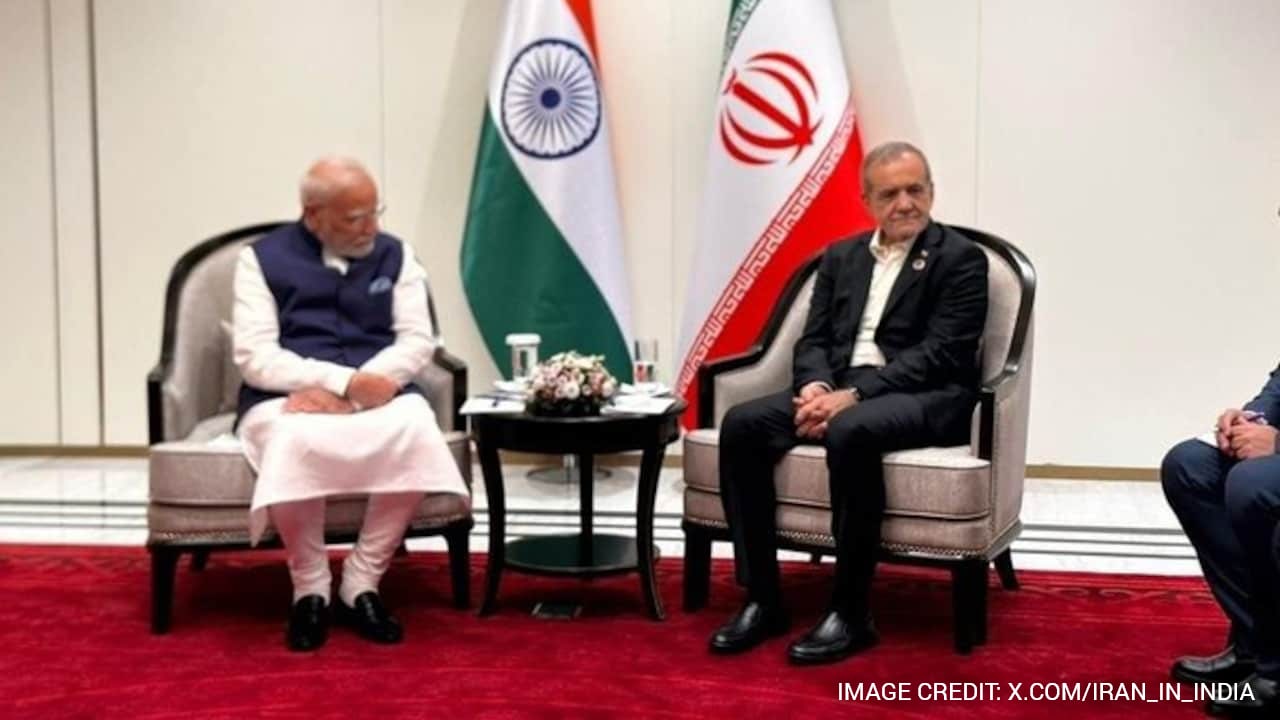
The standard media narrative surrounding every Shanghai Cooperation Organisation summit reads like a bad Cold War script. Beijing and Moscow roll out the red carpet, declare an unbreakable axis, and the headline writers default to the same lazy refrain: a regional bloc uniting to crush American hegemony.
It is a comforting illusion for pundits who need a clean narrative. It is also completely detached from economic and geopolitical reality.
I have spent the better part of two decades watching foreign policy analysts hyperventilate over every joint communique out of Central Asia. They track handshakes, parse translated communiques for hidden anti-Western codes, and treat a photo-op like a binding mutual defense pact. I have seen think tanks burn millions of dollars modeling multilateral trade routes that exist only on PowerPoint slides.
The lazy consensus says the SCO is an emerging Eastern NATO. The truth is much more cynical, fragile, and mundane. This organization is not an anti-Western alliance. It is a diplomatic mutual protection society for authoritarian regimes terrified of their own populations, anchored by two regional heavyweights who distrust each other far more than they care about Washington.
The Myth of Eurasian Solidarity
Strip away the glossy rhetoric about multipolarity and look at the actual mechanics of the bloc. What does the SCO actually produce? It does not have a unified currency. It does not possess an integrated military command structure. It has no mechanism to enforce economic sanctions against outsiders, nor does it have a functional free trade zone.
Instead, its crown jewel is the Regional Anti-Terrorism Structure. RATS. An acronym that, quite accidentally, tells you everything you need to know.
The primary utility of the SCO is domestic threat mitigation. When Central Asian autocrats worry about color revolutions, domestic unrest, or radicalized fringes, the SCO gives them a bureaucratic umbrella to share intelligence, suppress political dissent, and brand domestic opponents as terrorists. It is a dictatorship preservation club disguised as a geopolitical counter-weight.
To understand why this bloc cannot challenge global order, look at the fundamental structural friction between its two main anchors: China and Russia.
Beijing views Central Asia as its backyard economic orchard. Through the Belt and Road Initiative, Chinese capital has paved roads, extracted minerals, and integrated local economies into supply chains that terminate in the Middle Kingdom. Moscow, meanwhile, still views the same region as its historical imperial periphery—a buffer zone it owns culturally and security-wise.
This is not an alliance. This is a cold-eyed turf war conducted with polite diplomatic smiles. Russia is currently bogged down in a grinding European quagmire, making it the junior partner in this bilateral dynamic whether the Kremlin likes it or admit it publicly. China wants stability and predictable resource flows; Russia wants validation and a compliant audience for its anti-Western grievances. When their interests actually collide—such as over Chinese encroachment in traditional Russian spheres of influence—the polite fiction of unity cracks.
The Structural Inefficiencies of Autocracy
Let us address the common question asked by casual observers: Can the SCO eventually replace the International Monetary Fund, the World Bank, or global dollar dominance?
The answer is a hard no. And the reason lies in the nature of command-and-control economics and political paranoia.
Currencies do not become global reserves through political decrees issued at summit banquets. They achieve reserve status through deep, liquid capital markets, the rule of law, predictable property rights, and institutional trust. None of which exist in abundance inside the SCO footprint.
Imagine a scenario where a major global investor needs to park trillions of dollars for a decade. Are they going to trust the convertibility of the yuan under strict Chinese capital controls, or the ruble under the erratic whims of Moscow's sanctions-battered banking sector? Capital flees risk. It does not consolidate around regimes that can expropriate assets overnight with a stroke of a pen.
Trade within the bloc is transactional, bilateral, and heavily skewed. Beijing trades with everyone in the bloc on its own terms, while the secondary players eye each other with deep-seated historical suspicion. India and Pakistan are permanent members. Let that sink in. Two nuclear-armed rivals with an active border dispute and decades of bloodshed are sitting at the same administrative table pretending to coordinate regional harmony.
When you institutionalize paralysis, you do not get a bloc; you get a talking shop.
The Downside of the Contrarian Take
Intellectual honesty requires admitting the limits of this critique. Dismissing the SCO entirely as a toothless tiger is a mistake, just in a different direction.
While the bloc cannot project hard power or build a new global financial architecture, it serves a very specific, dangerous purpose for its members: sanction evasion and diplomatic insulation.
When Western capitals choke off high-tech imports and financial rails to Moscow, the SCO provides the logistical arteries through which dual-use goods, microchips, and commodities flow via intermediaries in Central Asia. It creates a parallel ecosystem of shadow trade. It normalizes authoritarian governance models, proving to developing nations that you can ignore human rights, rig elections, and muzzle independent media without facing terminal economic isolation from Beijing.
The danger of the SCO is not that it will out-gun or out-finance the West. The danger is that it provides a bureaucratic safe space for the fragmentation of the global rules-based order into a fragmented, transactional free-for-all where might makes right and sovereignty is a marketing slogan.
Stop looking at these summits as declarations of war against American dominance. Start looking at them for what they really are: an expensive, high-stakes exercise in regime survival, kept afloat by mutual convenience and mutual distrust.
The next time a headline tells you the East is uniting to rewrite the global playbook, remember that the authors of this alliance cannot even agree on who owns the map.