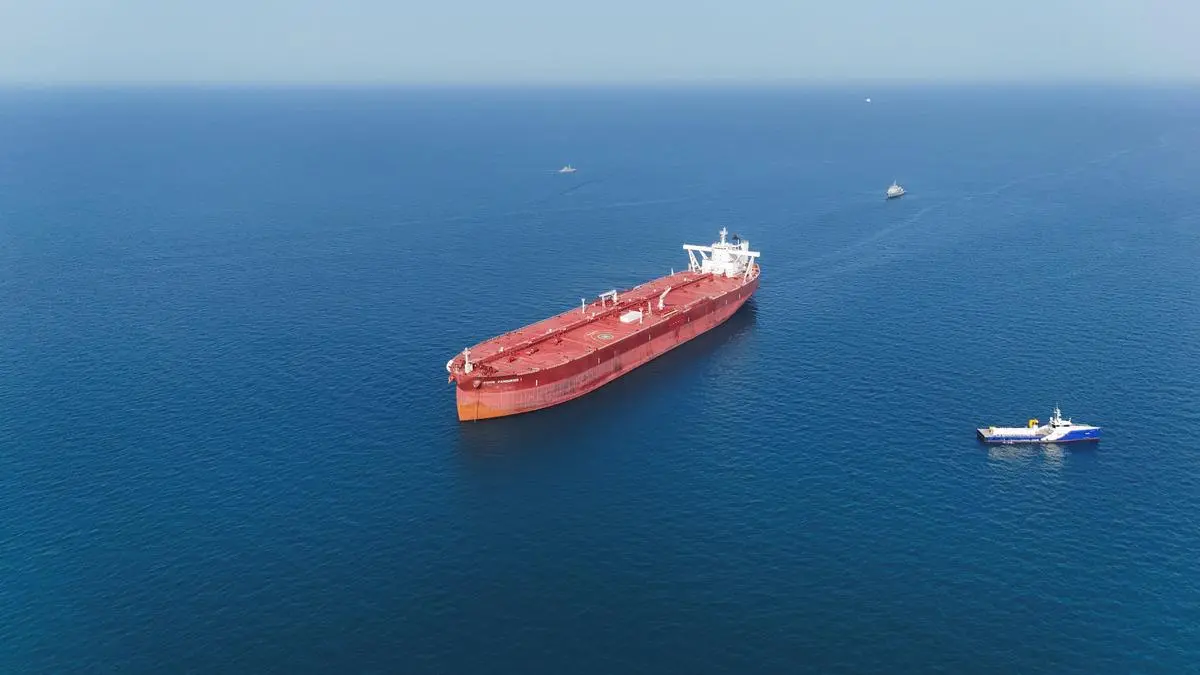
The Strait of Hormuz is essentially the jugular vein of the global energy market. When it gets squeezed, the whole world feels a sharp, localized pain in the wallet. Right now, things are looking shaky. Following the recent seizure of a vessel by US authorities, traffic through this narrow waterway has slowed to a crawl. If you're looking at a map and wondering why a single ship matters, you're missing the bigger picture. This isn't just about one boat or one legal dispute. It's about a massive geopolitical ripple effect that's currently widening the risk for every commercial vessel trying to move oil from the Persian Gulf to the rest of the planet.
Why Hormuz Traffic is Grounding to a Halt
Shipping companies don't like uncertainty. They hate it more than high fuel prices or bad weather. The moment a vessel is seized—especially when the US is involved—insurance premiums for the entire region don't just go up; they skyrocket. Captains and ship owners are currently sitting on the sidelines, waiting to see if this is a one-off event or the start of a tit-for-tat escalation.
We’ve seen this movie before. Every time there’s a legal or military flare-up in the Strait, the immediate reaction is a "wait and see" approach that leaves dozens of tankers idling. The Strait of Hormuz is only about 21 miles wide at its narrowest point, but it carries roughly 20% of the world's total oil consumption. When traffic hits a standstill there, you aren't just looking at delayed cargo. You're looking at a potential global supply shock.
The US Vessel Seizure Explained Simply
The recent seizure wasn't some random act of piracy. It was a calculated legal move by US authorities, likely tied to sanctions enforcement. The US has been playing a long game of financial and physical pressure against entities that bypass trade restrictions. However, when the US moves on a ship in these waters, it sends a signal that the "rules of the road" are being rewritten in real-time.
For the average person, this sounds like high-seas drama. For a logistics manager in Singapore or a refinery owner in Rotterdam, it’s a nightmare. The seizure has widened the risk profile because it invites retaliation. Historically, when the US or its allies seize a tanker, other regional powers—most notably Iran—respond by harassing or detaining Western-linked ships. This creates a cycle of "vessel vulnerability" that makes the Strait of Hormuz a no-go zone for anyone without a death wish or an incredibly deep pocket for insurance.
Understanding the Widening Risk for Global Markets
It’s easy to think this is just a Middle East problem. It isn't. The risk is widening because the global supply chain is already stretched thin. We’ve had years of disruptions, from canal blockages to pandemic hangovers. Now, adding a localized standstill in the world’s most important energy transit point is like throwing a match into a dry forest.
The risk isn't just that oil prices will go up. That's the obvious part. The deeper risk is the "contagion of caution." When one major shipping lane becomes a flashpoint, it forces ships to take longer, more expensive routes. But here’s the kicker: there is no easy way around the Strait of Hormuz. You either go through it, or you don't get the oil. Pipelines exist, but they can't handle the sheer volume that tankers carry daily.
The Hidden Costs of Maritime Tension
- War Risk Insurance: This is a specific type of coverage that kicks in when a ship enters a "danger zone." Right now, the entire Persian Gulf is being re-evaluated by underwriters.
- Freight Rates: When ships sit idle, the supply of available tankers drops. Less supply means higher prices for anyone who actually dares to make the trip.
- Consumer Inflation: It takes a few weeks, but these costs eventually hit the pump and the grocery store.
How the US Move Changed the Game
I've talked to folks in maritime security who say this latest move feels different. It’s more aggressive. By seizing a vessel in this manner, the US is asserting a level of jurisdiction that forces other nations to pick a side. It’s no longer just about "policing the waters." It’s about using the sea as a courtroom.
The problem is that the sea doesn't have a bailiff. When you seize a ship, you’re basically daring the other side to do something about it. That "something" usually involves drones, fast-attack boats, or electronic jamming. Ships in the area are reporting increased GPS interference, making navigation through an already crowded and narrow strait even more dangerous.
What This Means for Your Wallet
Honestly, the immediate impact is psychological. Markets react to the fear of a shortage before the shortage actually happens. Crude oil futures tend to jump the moment "Hormuz" and "Seizure" appear in the same headline. If the standstill lasts more than a few days, you'll see it reflected in the price of Brent Crude.
But let's be real. The real danger is a prolonged stalemate. If the US vessel seizure leads to a month-long standoff, we aren't just talking about a 5% bump in gas prices. We're talking about a fundamental shift in how energy is priced globally. Energy security is becoming synonymous with maritime security. If the ships can’t move, the economy doesn't breathe.
Navigating the Chaos
If you're an investor or someone who follows global trade, keep your eye on the "tanker tracking" data. It’s more reliable than any government press release. Look at the clusters of ships near Fujairah or the Gulf of Oman. If those clusters grow, the standstill is getting worse.
You should also watch the reactions from China and India. They are the biggest buyers of the oil that flows through that strait. If they start getting vocal about the US actions, the political pressure to "clear the lanes" will become immense. The US might find itself in a position where enforcing its own laws makes it an outcast among its biggest trading partners who just want their fuel delivered on time.
Immediate Steps to Take
- Watch the Baltic Dirty Tanker Index: This tracks the cost of moving crude oil. If it spikes, the Hormuz situation is hitting the bottom line of every major energy company.
- Monitor Insurance Surcharges: Keep an eye on announcements from Lloyd’s Market Association. Their Joint War Committee is the one that decides if the risk has truly "widened."
- Diversify Energy Exposure: If you have a portfolio heavy on traditional energy, realize that geopolitical risk is now your biggest "hidden" variable.
The situation in the Strait of Hormuz is a reminder that the world is a lot smaller than we think. A single legal move by a US court can stop the flow of millions of barrels of oil half a world away. This isn't a drill. The risk has widened, and the traffic is waiting. Don't expect a quick resolution. These kinds of maritime disputes have a way of dragging on until someone finally flinches, and right now, nobody looks like they're blinking.
Keep your tanks full and your eyes on the news. The next 72 hours will determine if this is a temporary hiccup or a full-blown energy crisis. If the standstill continues, the global economy is going to have to find a way to function with its main artery constricted. It’s a tall order for a world that’s already on edge. Get ready for a bumpy ride in the energy markets because the Strait is only getting more crowded and more dangerous by the hour.