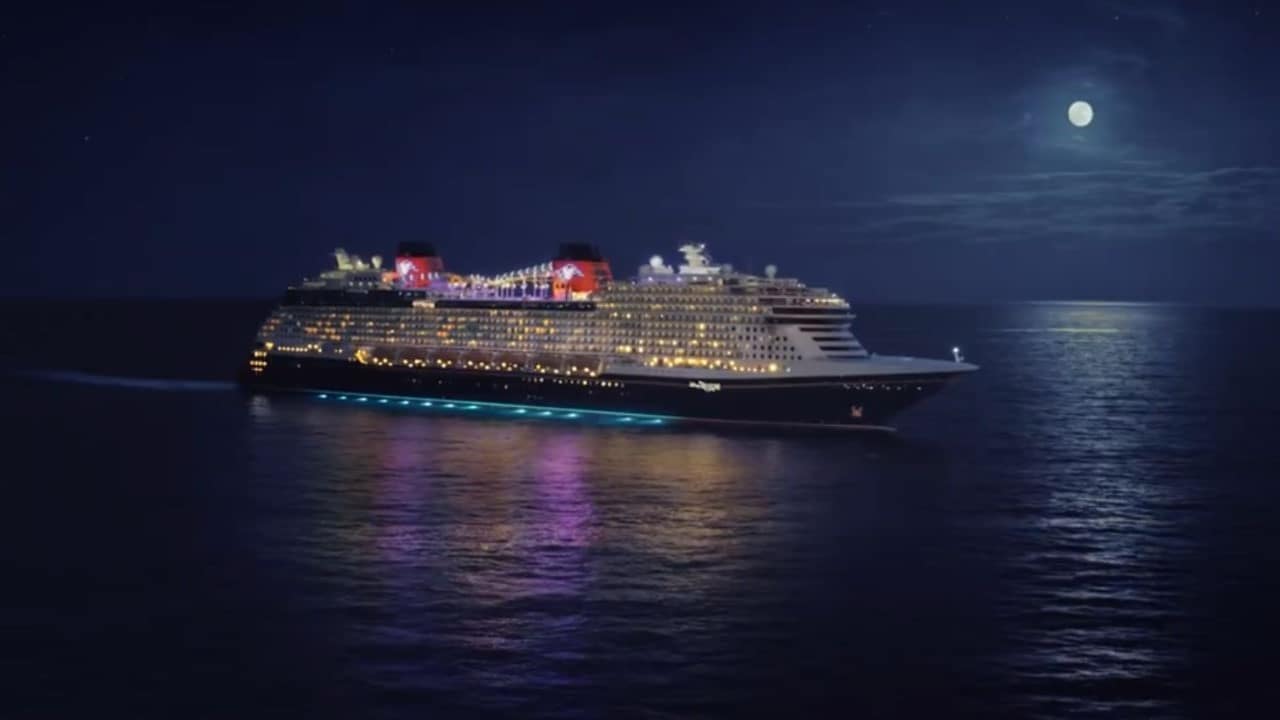
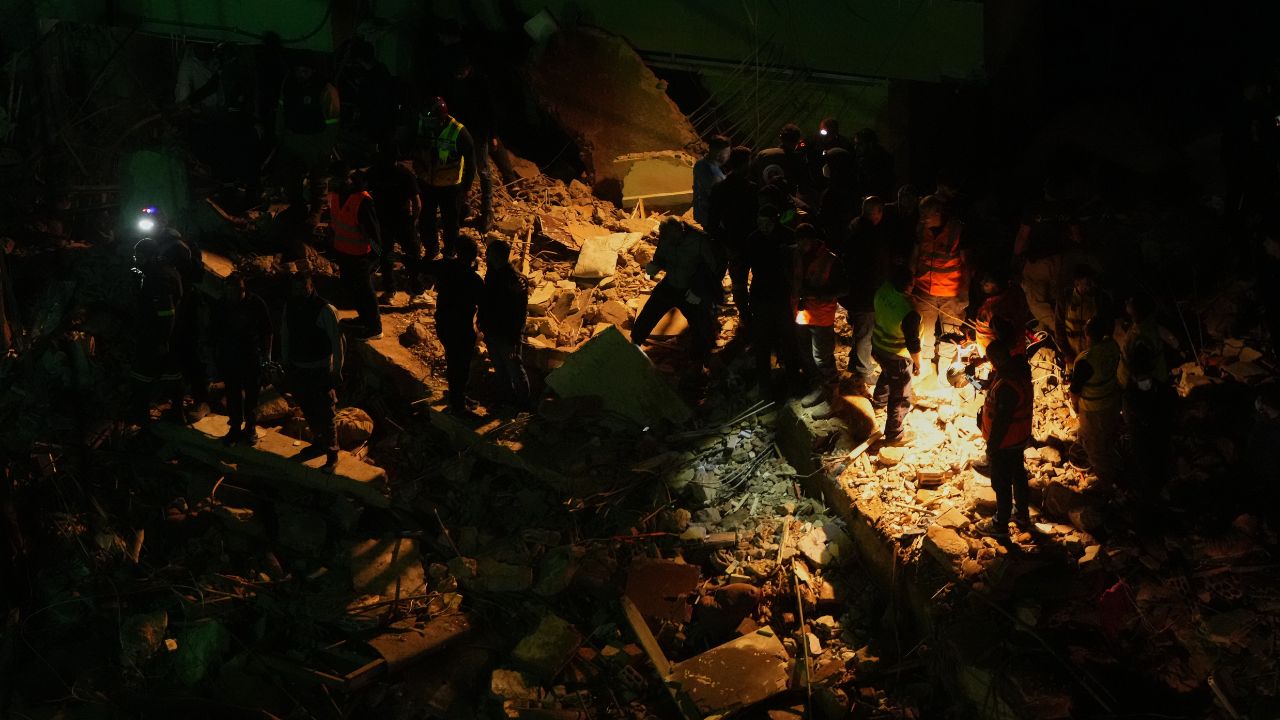
The docking of a pathogen-affected vessel into a national port system represents a collision between maritime law, public health infrastructure, and sovereign economic risk. When a cruise ship arrives in Spain under a state of viral outbreak, the situation is not merely a medical emergency; it is a breakdown of the Vessel-to-Shore Containment Barrier. The fundamental failure in these scenarios is the transition from a closed-loop environment (the ship) to an open-system environment (the port city). This transition creates a surge in demand for high-acuity medical resources that most coastal municipalities are not equipped to absorb without compromising care for the resident population.
The Tri-Phase Containment Architecture
To analyze the impact of a docking event, the operation must be deconstructed into three distinct phases of risk management. Each phase possesses a unique cost function and a specific set of failure points.
Phase I: The Pre-Docking Quarantine and Triage
Before the ship physically connects to the pier, the primary objective is to convert the vessel from a transport vehicle into a stationary isolation facility. The ship’s HVAC systems and communal dining structures are biologically compromised. The strategic error in most maritime responses is the assumption that the ship can function as a hospital. It cannot.
Standard cruise ship infrastructure relies on recirculated air and high-density social mixing. Once a threshold of infection—typically defined as 2-3% of the total population—is crossed, the ship’s internal medical center is rendered obsolete. The "Pre-Docking" phase requires:
- Segmented Manifest Analysis: Identifying high-risk demographics (age 65+, pre-existing respiratory conditions) before gangways open.
- Pathogen Velocity Calculation: Determining the $R_{0}$ (basic reproduction number) within the specific confines of the ship’s deck plan.
- Logistics of the "Cold Zone": Establishing a sterile perimeter on the pier that prevents any interaction between vessel crew and port workers.
Phase II: The Disembarkation Bottleneck
The physical act of moving thousands of individuals from a contaminated hull to a land-based facility is a high-risk logistical operation. The bottleneck is not the speed of movement, but the speed of Validated Testing. Spain’s Ministry of Health faces a choice: mass release with self-isolation or centralized institutional quarantine.
The data suggests that self-isolation for international travelers is statistically unenforceable. Therefore, the docking event triggers a sudden demand for "Quarantine Hotels" or temporary medical camps. The pressure on the local "Hospitalization Ratio"—the number of available ICU beds per 1,000 residents—becomes the primary metric of failure. If the vessel carries 3,000 passengers and 5% require oxygen support, the local health system must suddenly find 150 specialized beds. In many Spanish port cities like Málaga or Palma, this represents over 20% of total regional capacity.
Phase III: The Economic Decoupling
The arrival of a "plague ship" generates a localized economic "Black Hole." Tourism revenue in the immediate vicinity drops as consumer sentiment shifts toward avoidance. However, the long-term risk is the Regulatory Chilling Effect. If Spain manages the docking poorly, it risks its status as a premier maritime hub; if it manages it too strictly, it faces litigation from cruise conglomerates and potential diplomatic friction with the passengers' home nations.
The Cost Function of Pathogen Ingress
The total cost of a ship docking event ($C_{total}$) is not just the price of medical supplies. It is a derivative of four primary variables:
- Direct Medical Intervention ($C_{m}$): Cost of testing, PPE, and hospital staff overtime.
- Opportunity Cost of Bed Occupancy ($C_{o}$): The economic loss from canceling elective surgeries for residents to accommodate infected passengers.
- Reputational Erosion ($C_{r}$): The quantifiable decrease in future bookings and port fees.
- Community Transmission Multiplier ($M_{t}$): The cost of a secondary outbreak in the port city if the containment barrier is breached.
The relationship can be expressed as:
$$C_{total} = (C_{m} + C_{o}) \times M_{t} + C_{r}$$
When $M_{t}$ exceeds 1.0, the event transitions from a controlled maritime incident to a regional public health disaster.
Sovereign Responsibility vs. Maritime Contract
A recurring tension exists between the International Health Regulations (IHR 2005) and the sovereign right of a nation to protect its borders. Under the IHR, ships have a right of "Free Pratique"—the permission to enter a port, embark or disembark, and discharge or load cargo or stores. However, Article 28 allows for the withholding of Free Pratique if there is evidence of a public health risk.
The Spanish government’s response is dictated by the Precautionary Principle. This legal framework allows the state to take restrictive measures even in the absence of absolute scientific certainty regarding the pathogen's lethality. The friction arises when the ship is flying a "Flag of Convenience" (e.g., Bahamas, Panama, or Malta). These nations often lack the physical infrastructure to assist their flagged vessels, effectively offloading the biological and financial liability onto the coastal state.
The Logistics of the Sterile Corridor
Successful docking requires the implementation of a Sterile Corridor. This is a physical and procedural tunnel that moves passengers from the ship directly to a controlled transport medium (chartered buses or trains) without any contact with the local environment.
The failure of the Diamond Princess in 2020 demonstrated that the absence of a sterile corridor leads to cross-contamination between health workers and the public. In the Spanish context, this requires the mobilization of the Unidad Militar de Emergencias (UME). The UME provides the heavy lifting of biological decontamination that civilian health sectors lack. Their involvement signals a shift from "Public Health Management" to "Civil Defense."
Environmental and Waste Bio-Hazards
A docked ship continues to produce waste. A virus-stricken vessel produces "Category A" infectious waste. Standard port waste management systems are designed for gray water and general refuse; they are not designed for the mass disposal of biohazardous materials (medical waste, contaminated linens, and biological effluents).
The docking protocol must include:
- Autoclave-on-Wheels: Mobile sterilization units placed directly on the pier.
- Effluent Treatment: Disinfection of the ship’s ballast and sewage tanks before any discharge into the Mediterranean ecosystem is permitted.
Systematic Vulnerabilities in the Cruise Industry Model
The cruise industry operates on a high-occupancy, low-margin-per-square-foot model. This model is fundamentally at odds with pathogen suppression. The "Break-Even Occupancy" for most large vessels is above 80%. Consequently, cruise operators are incentivized to delay the reporting of an outbreak to avoid the massive costs associated with a forced docking and itinerary cancellation.
This delay creates a Pathogen Lag Time. By the time the ship requests docking in Spain, the virus has likely already moved through 3 to 4 transmission cycles. The passengers are not "potentially exposed"; they are a high-titer population.
The Information Asymmetry
Port authorities rely on the Maritime Declaration of Health (MDH). This document is self-reported by the ship’s master and medical officer. There is a documented conflict of interest here. If the MDH is inaccurate, the port’s defensive posture is based on false data. To correct this, Spain must deploy independent medical strike teams via helicopter to conduct "Pre-Docking Verification" while the vessel is still in international waters.
Strategic Realignment of Port Defense
The current reactive model is unsustainable. For Spain to maintain its position as a global maritime leader while protecting its citizenry, the response to an infected vessel must move from an ad-hoc emergency to a standardized industrial process.
The Strategic Play:
The Spanish government must mandate a Biological Liability Bond for all vessels over 1,000 GT entering their waters. This bond would serve as a pre-funded insurance pool to cover the $C_{total}$ of a docking event. Furthermore, the "Sterile Corridor" must be pre-mapped in every major port (Barcelona, Valencia, Algeciras), ensuring that the transition from ship to shore occurs within a pre-built containment architecture rather than a makeshift tent city.
The ultimate defense is not the denial of entry—which leads to humanitarian crises and international condemnation—but the Hardening of the Port Interface. By treating the vessel as a temporary extension of the national border rather than a guest in the city, the state can neutralize the pathogen's velocity before it reaches the first street corner.