Most people hear "Strait of Hormuz" and immediately picture oil tankers, naval standoffs, and fluctuating gas prices. They rarely think about the sea turtles, dugongs, or coral reefs sitting directly underneath those shipping lanes.
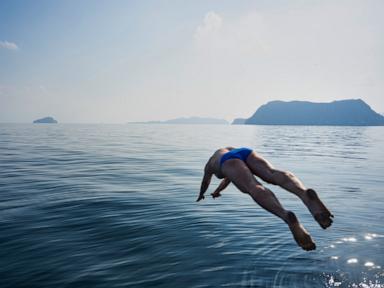
That blind spot is exactly why endurance swimmers use extreme open-water crossings to force environmental stories onto the front page. When an athlete enters one of the world's most militarized chokepoints to highlight the ecological fallout of the Iran conflict, the stunt grabs headlines—yet the actual science of how naval warfare destroys marine ecosystems rarely gets the same coverage. Meanwhile, you can read similar developments here: Why Every Headline About Russian Missile Barrages Misses the Real War.
Let's be honest about how media attention works. A lone swimmer cutting through choppy, contested waters makes for dramatic video, while a 200-page marine biology assessment gathers dust on a server. If you care about what military escalation actually does to the Persian Gulf and the Gulf of Oman, you need to look past the spectacle and examine the brutal mechanics of acoustic trauma, chemical runoff, and habitat disruption happening beneath the surface.
Why the Strait of Hormuz Is an Ecological Bottleneck
Geography makes this narrow stretch of water uniquely vulnerable. At its tightest point, the Strait of Hormuz measures roughly 21 nautical miles across, funneling massive volumes of water between the shallow, hyper-saline Persian Gulf and the deeper, cooler waters of the Gulf of Oman. To see the bigger picture, check out the recent article by BBC News.
Marine species don't recognize maritime borders or geopolitical exclusion zones. Migratory routes for whale sharks, green turtles, hawksbill turtles, and several species of dolphins pass straight through this corridor. Because the waterway is so narrow, any large-scale human disruption creates an unavoidable barrier.
The Persian Gulf itself is already an extreme environment. Summer water temperatures routinely climb past 35 degrees Celsius (95 degrees Fahrenheit), pushing local coral reefs and seagrass beds right to the edge of their thermal tolerance. Wildlife living here operates with almost zero margin for error. When you stack military activity on top of baseline climate stress and heavy commercial shipping, ecosystems don't decline gradually—they hit sudden tipping points.
How Naval Conflict Actually Damages Marine Life
People tend to assume environmental damage from war only happens when an oil tanker gets hit and black crude washes onto a beach. Oil spills are catastrophic, sure, especially since the Gulf's semi-enclosed circulation traps pollutants for years rather than flushing them out into the open ocean.
Still, chronic military operations cause quiet, relentless damage even when no ships are burning.
Underwater Noise and Acoustic Trauma
Modern naval warfare runs on sound. High-intensity active sonar, submarine tracking arrays, underwater detonations, and constant high-speed vessel traffic turn a naturally noisy shipping lane into an acoustic warzone.
Marine mammals rely on sound for everything. Dolphins, porpoises, and whales use echolocation to hunt, navigate, and communicate with calves. Intense sonar pulses can cause temporary or permanent hearing loss, disorient migrating pods, and trigger rapid decompression sickness when animals panic and surface too quickly.
Fish and invertebrates suffer too. Studies on underwater blasts and low-frequency sonar consistently show damaged swim bladders in fish and disrupted larval settlement on reefs. If young corals and fish larvae can't hear the natural acoustic cues of a healthy reef, they don't settle there—meaning damaged ecosystems lose their ability to regenerate.
Heavy Metals, Munitions, and Fuel Leaks
Every naval deployment introduces toxic compounds into the water column. Anti-fouling paints on hulls leach copper and other biocides, while bilge discharge and minor fuel leaks create persistent surface slicks that coat the feathers of seabirds and clog the respiratory systems of sea turtles surfacing to breathe.
When kinetic strikes occur, the chemical footprint gets much worse. Unexploded ordnance and sunken vessels slowly corrode in warm, salty water, leaking heavy metals, propellant residues, and persistent organic pollutants directly into benthic sediments. Bottom-feeding organisms ingest these toxins first, passing them up the food chain to commercial fish stocks that millions of people across the region depend on for protein.
Seagrass Destruction and Dugong Habitat
The shallow coastal waters bordering the strait support vast meadows of seagrass. These underwater pastures are the primary food source for the world's second-largest population of dugongs, alongside foraging green sea turtles.
Increased naval patrols, anchoring in shallow staging areas, and coastal fortification tear up seagrass beds physically. Unlike fast-growing terrestrial weeds, deep-rooted seagrass recovers slowly. Lose the grass, and the dugongs either starve or get pushed into deeper, busier shipping lanes where vessel strikes become fatal.
The Reality of Open-Water Advocacy Swims
Endurance swimming in politically sensitive waters isn't a casual charity fun-run. Organizing an open-water swim in or near the Strait of Hormuz involves brutal logistics, strict maritime clearances, and genuine physical risk.
Swimmers dealing with this region face strong tidal currents where Gulf waters exchange with the Indian Ocean, sudden wind shifts, jellyfish blooms, and extreme heat. Even with support boats, GPS tracking, and coast guard coordination, navigating a corridor crowded with commercial supertankers and naval patrols leaves no room for navigational errors.
Critics sometimes dismiss athletic stunts as performative activism that burns jet fuel to fly support crews across the globe without changing foreign policy. They aren't entirely wrong about the limits of symbolism. A swim won't stop missile launches or de-escalate regional rivalries.
What it does accomplish is breaking algorithmic apathy. Environmental reporting on conflict zones usually gets buried behind troop movements, sanctions, and energy market forecasts. By putting a human body in contested water, an athlete forces sports editors, lifestyle outlets, and casual readers to confront the reality that war doesn't just redraw maps—it poisons shared ecosystems that no ceasefire can quickly repair.
What You Can Actually Do With This Information
Reading about ecological damage in a conflict zone often leaves people feeling helpless, mostly because individual citizens can't dictate naval strategy. You don't need to swim across an international shipping lane to make a measurable difference in how marine wildlife in conflict-affected regions gets tracked and protected.
- Support independent marine monitoring organizations. Groups like the IUCN Marine Mammal Protected Areas Task Force and regional conservation initiatives rely on satellite tagging and acoustic monitoring to document baseline wildlife corridors. Without hard baseline data, it's legally and scientifically impossible to hold polluters accountable after hostilities end.
- Follow conflict-environment research groups. Organizations such as the Conflict and Environment Observatory (CEOBS) track the ecological footprint of modern warfare in real time, translating satellite imagery and maritime data into open-source reports used by international bodies.
- Push for post-conflict environmental remediation clauses. Whenever diplomatic frameworks, maritime security pacts, or regional trade agreements come up for public debate, environmental cleanup and unexploded ordnance clearance rarely make the headline agenda unless advocacy groups and voters demand funding for them.
Pay attention to the quiet casualties whenever geopolitical tensions flare up around major waterways. The ships eventually leave and the oil markets stabilize, yet the marine life absorbing the shockwaves has nowhere else to go.