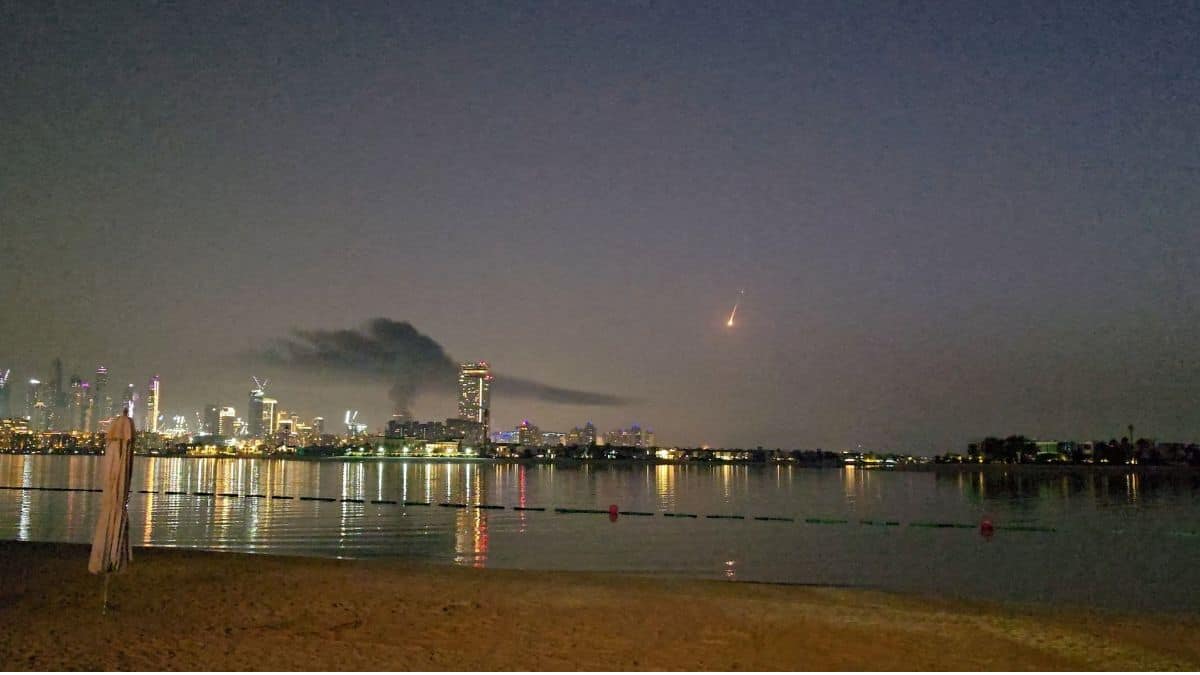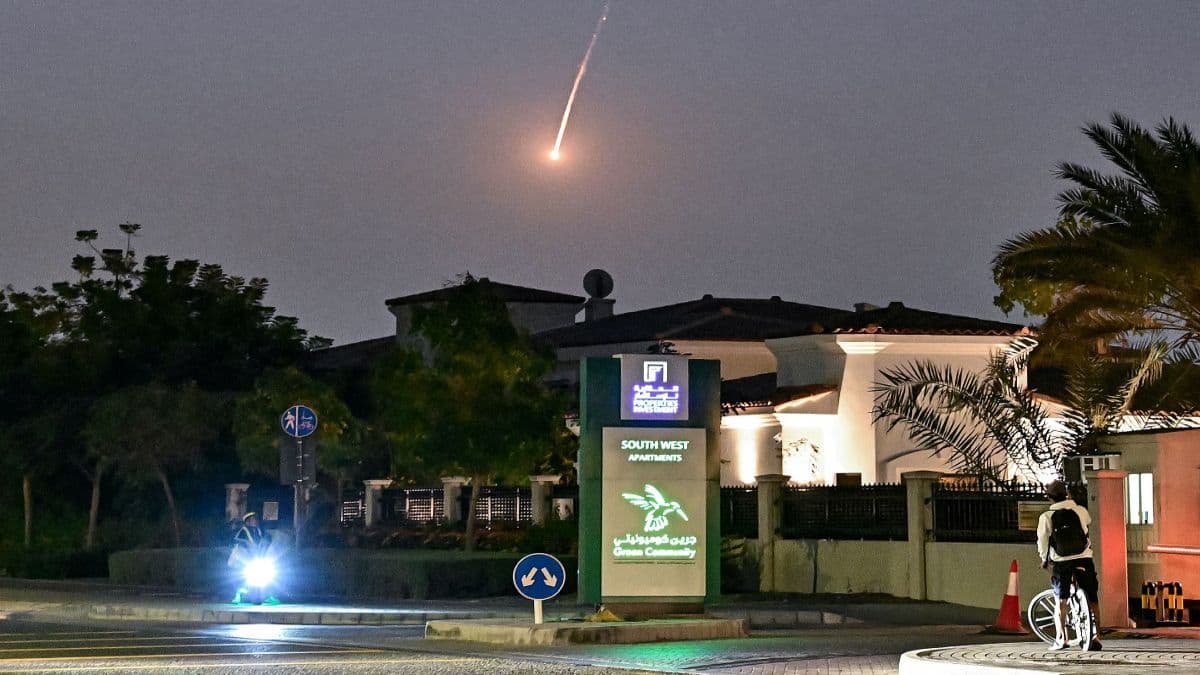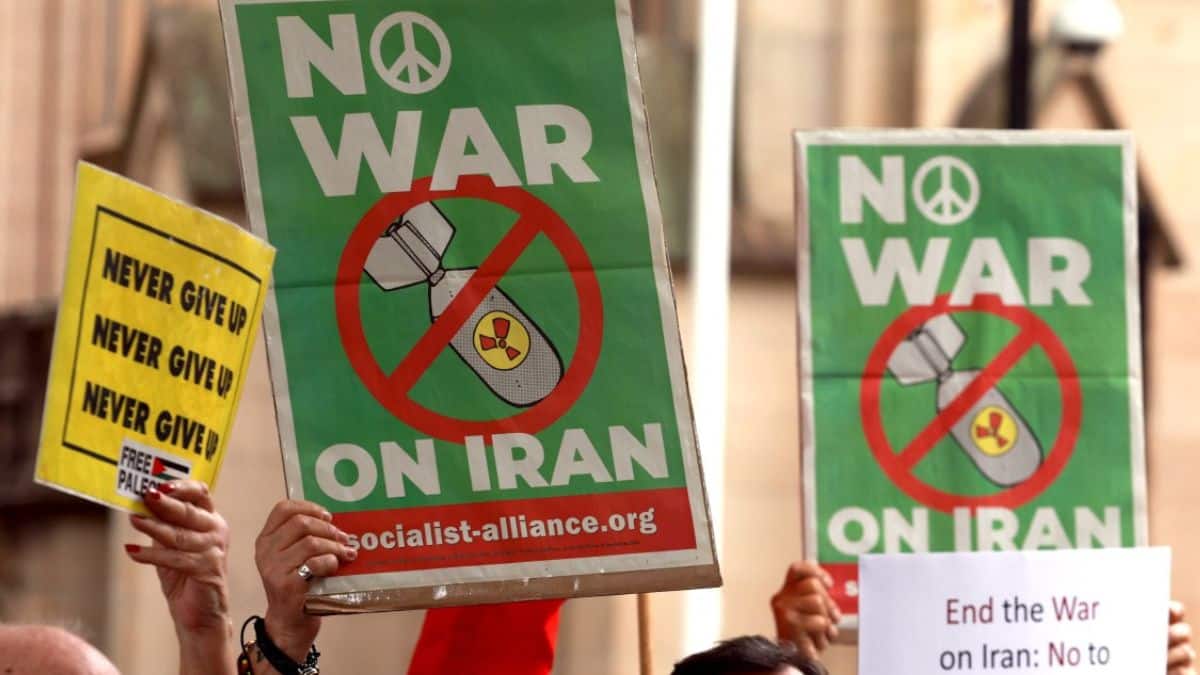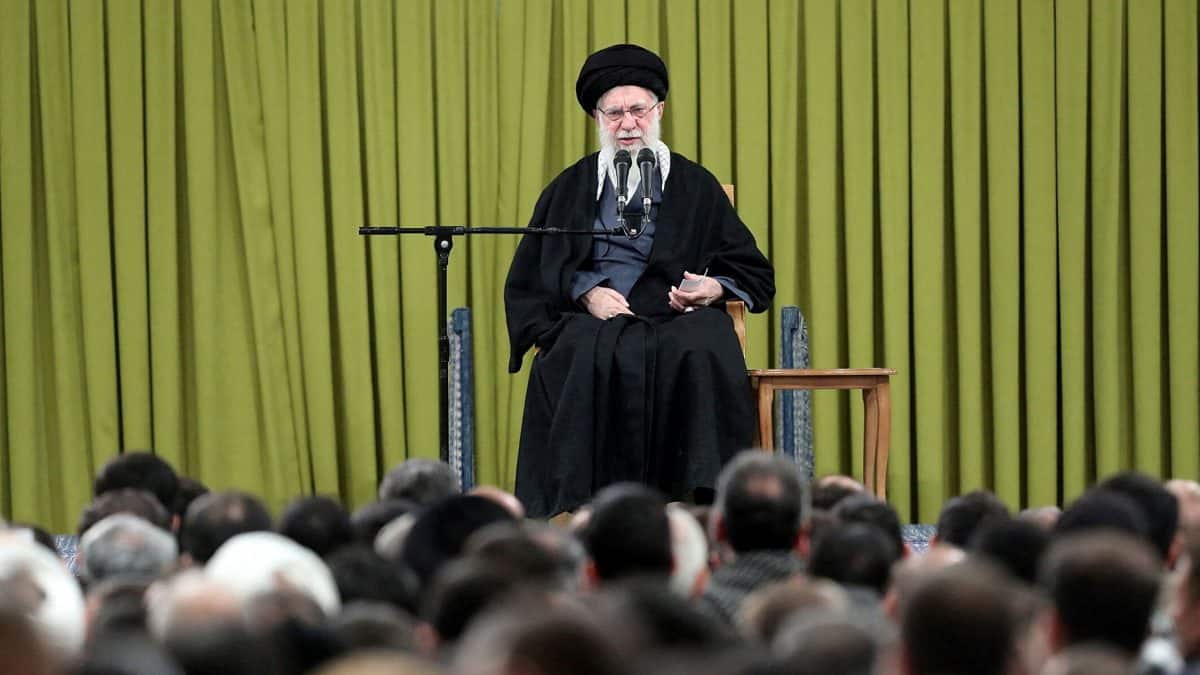
The report that Ali Khamenei’s body has been recovered from his compound marks a seismic shift in Middle Eastern geopolitics, but the silence from Tehran is the loudest part of the story. While Israeli media outlets claim that high-level officials, including Benjamin Netanyahu and Donald Trump, have viewed photographic evidence of the Supreme Leader’s death, the Iranian state apparatus remains in a state of suspended animation. This isn't just a story about the passing of a 86-year-old cleric. It is an autopsy of a regime that has spent decades building a cult of personality so rigid that it cannot admit to its own decapitation without risking total collapse.
Verification in this environment is a nightmare. Intelligence agencies rely on "pattern of life" analysis—monitoring the movement of motorcades, the frequency of encrypted communications, and the sudden appearance of high-ranking generals at specific medical facilities. If Khamenei is indeed dead, the delay in an official announcement isn't about mourning. It is about the Assembly of Experts frantically horse-trading behind closed doors to ensure the Islamic Republic doesn't fragment into a civil war between the clerical elite and the Islamic Revolutionary Guard Corps (IRGC).
The Intelligence Gap and the Photo that Changed Everything
The claim that a photograph of Khamenei’s body exists and has been circulated among Western and Israeli leadership is a deliberate strategic leak. It serves a dual purpose. First, it demoralizes the "Axis of Resistance" by suggesting their ideological North Star is gone. Second, it forces the hand of the Iranian regime. By putting the information into the public domain via Israeli channels, Mossad or military intelligence effectively starts a clock. Tehran can either produce a "proof of life" video—which risks being debunked as a deepfake—or they can remain silent and watch as their internal authority erodes.
We have seen this play out before with rumors of Khamenei’s failing health, but the specificity of the "recovered body" narrative suggests a breach of the inner sanctum. For a body to be "recovered" and photographed, the security perimeter of the Beit Rahbari—the Supreme Leader’s official residence and office—must have been compromised. This implies either an internal coup or a level of technical surveillance that renders the regime's most secure bunkers transparent.
The IRGC versus the Clergy
The immediate aftermath of Khamenei’s death triggers a constitutional crisis that the Iranian document writers never truly solved. According to the law, a council consisting of the President, the head of the judiciary, and one of the theologians from the Guardian Council should take the reins temporarily. But with President Ebrahim Raisi’s death in a helicopter crash in 2024, the traditional line of succession was already mangled.
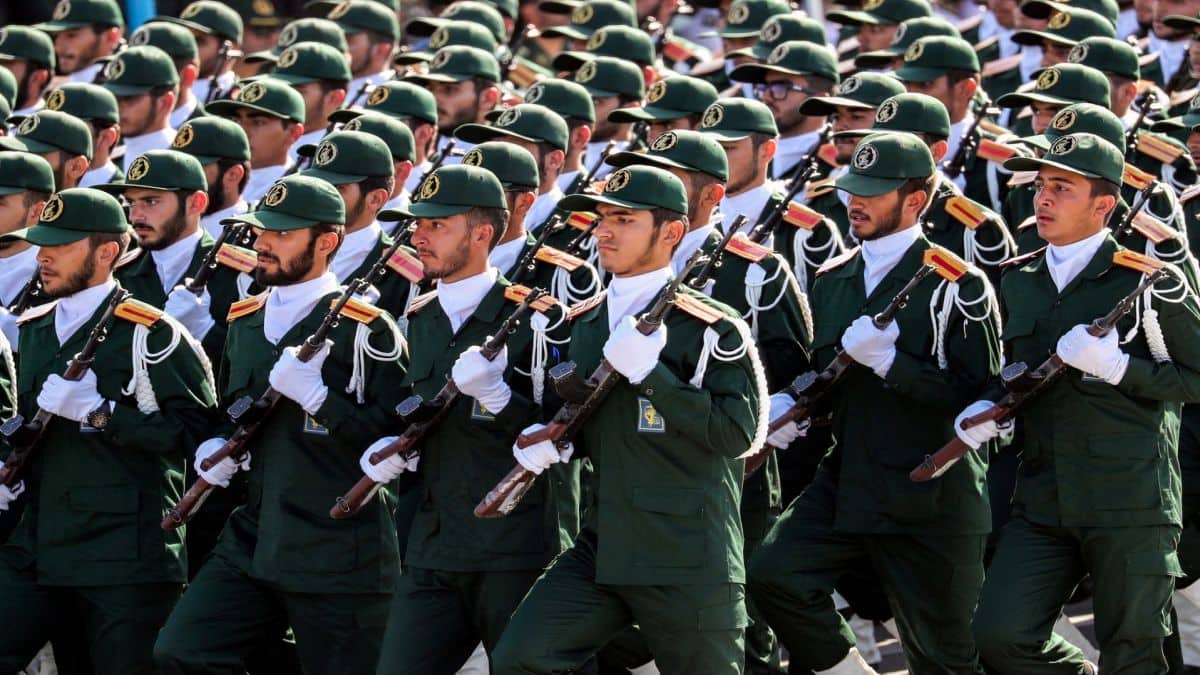
The IRGC is the wild card. They are no longer just a military wing; they are a corporate conglomerate that controls upwards of 33% of the Iranian economy. They don't want a weak scholar in the Supreme Leader’s seat. They want a figurehead who will stay out of their business interests and provide a religious veneer for what has effectively become a military dictatorship.
Candidates for the Impossible Job
The list of potential successors is short and riddled with complications.
- Mojtaba Khamenei: The Supreme Leader’s son. He has been the gatekeeper to his father for years and has the backing of certain IRGC factions. However, the 1979 Revolution was fought specifically to end hereditary rule. Promoting a son to succeed a father feels too much like the Shah’s era for many old-guard revolutionaries to stomach.
- Alireza Arafi: A high-ranking cleric with the necessary theological credentials. He represents the status quo but lacks the charisma or the iron fist required to keep the streets of Tehran quiet during a transition.
- A Council of Leaders: There is a fringe theory that the office of the Supreme Leader could be abolished in favor of a leadership council. This is a recipe for gridlock. In a region where speed of decision-making determines survival, a committee is a death sentence.
Technical Warfare and the Deepfake Dilemma
In the 2020s, "seeing is believing" is a dead concept. If the Iranian state media releases a video tomorrow of Khamenei giving a speech, the first move of every intelligence agency will be to run it through forensic AI detection. We are entering an era where a regime can functionally keep a leader "alive" for weeks through pre-recorded footage and sophisticated digital manipulation while they scrub the bank accounts and secure the borders.
The Israeli claim of a photograph is a counter-measure to this digital deception. A high-resolution still image captured by a human source or a micro-drone is harder to fake convincingly than a grainy video. By briefing Trump and Netanyahu on this evidence, the source is anchoring the reality of the situation in the physical world before the propaganda machines can spin a digital alternative.
The Economic Shokwave
The markets don't wait for official obituaries. If the "body recovered" story gains traction, the Iranian Rial—already in a death spiral—will hit new lows. We will see a massive capital flight as the merchant class in the bazaars tries to move assets into gold or crypto before the IRGC freezes the banks.
Outside of Iran, oil prices are the primary concern. Any instability in the Persian Gulf usually leads to a spike in Brent Crude. However, the current global surplus might dampen that effect. The real risk is a "dead cat bounce" in Iranian foreign policy—a desperate, aggressive military move by the IRGC to prove they are still in control despite the loss of their spiritual head.
A Nation at the Breaking Point
For the average Iranian, news of Khamenei’s death is met with a mix of terror and hope. The "Woman, Life, Freedom" protests proved that a massive portion of the youth population has zero appetite for the current system. They aren't looking for a better Supreme Leader; they are looking for the end of the office itself.
If the death is confirmed, the regime's first instinct will be a total internet blackout. They will kill the digital lights to prevent protesters from organizing. We should watch for a sudden drop in BGP (Border Gateway Protocol) traffic coming out of Iran. This is the hallmark of a regime in panic mode. When the servers go dark, it usually means the streets are about to get bloody.
The transition of power in a totalitarian state is never a clean handoff. It is a series of betrayals, backroom deals, and often, quiet assassinations. Whether the body has been recovered or not, the myth of the indomitable Supreme Leader is dead. The photograph, whether it ever leaks to the public or stays in the classified briefings of world leaders, represents the end of an era that defined the last four decades of the Middle East.
The regime now faces a binary choice: reform or shatter. Given the IRGC’s grip on the nation’s throat, shattering seems the more likely outcome. They will hold onto the corpse of the Islamic Republic until the very end, long after the man who led it is gone.
Monitor the state-run IRIB channels for "emergency programming" involving Quranic recitations; it is the traditional herald of a leader's passing in the region.