The brief illusion of peace in the Persian Gulf is completely gone. Less than a month after a shaky interim ceasefire offered a breather to global energy markets, the United States and Iran are locked in a high-stakes military escalation that threatens to trigger a full-scale regional collapse. The Islamabad memorandum, meant to keep shipping lanes open, has officially disintegrated.
On Thursday, Tehran declared the Strait of Hormuz an inviolable "red line". The announcement came directly after U.S. President Donald Trump issued an ultimatum: reopen the waterway or watch America dismantle Iran's civilian infrastructure. Trump explicitly threatened to target Iranian power plants, bridges, and even "Pickaxe Mountain"—the heavily fortified underground facility tied to Tehran's nuclear program. Don't miss our recent post on this related article.
Iran’s response was immediate and fierce. The Islamic Revolutionary Guard Corps (IRGC) shut down the strait "until further notice" and launched a wave of retaliatory drone and missile strikes targeting countries hosting U.S. military bases, including Bahrain, Jordan, and Kuwait.
We are no longer watching a standard diplomatic standoff. This is an active war for control of a chokepoint that handles twenty percent of the world’s oil and gas. If you want more about the background here, The New York Times offers an informative summary.
The Disintegration of the Ceasefire
The current crisis stems directly from a failed experiment in diplomacy. On June 17, the U.S. and Iran signed a memorandum of understanding that briefly paused a war that initially erupted on February 28 with massive U.S. and Israeli airstrikes. Under that brief truce, Iran managed to export roughly 80 million barrels of crude oil.
The deal didn't last three weeks. The core disagreement focused on who actually runs the Strait of Hormuz. Tehran demanded the right to control transit and slap tolls on commercial ships passing through. Washington rejected that premise entirely, insisting the strait remains an international waterway.
When Iranian forces attacked seven commercial vessels, killing and injuring nearly a dozen crew members, Trump pulled the plug on the deal. The White House revoked the waivers that allowed Iran to sell oil in U.S. dollars and reimposed a strict naval blockade on Iranian ports.
Iranian Foreign Minister Abbas Araghchi blamed Washington for the collapse, claiming "there can only be mutual compliance". But the reality on the water changed instantly. Within hours of the blockade going back into effect, U.S. Central Command (CENTCOM) launched a 90-minute blitz against Iranian coastal defense systems and missile batteries.
Trump Gambles on Infrastructure Warfare
Trump is using a brand-new playbook for this round of hostilities. He isn't just targeting missile launchers; he's going after the backbone of Iran's economy.
During a radio interview on the Hugh Hewitt Show, Trump laid out his timeline, warning that "next week it gets really bad for them because next week comes the power plants". He openly dared the Iranian government to stop him, stating, "We're going to take out Pickaxe Mountain. Tell the Iranians to be ready".
Recent Escalation Timeline (July):
- July 7: Iran attacks commercial vessels in the Strait.
- July 13: Trump announces a 20% cargo security fee and reimposes the naval blockade.
- July 15: Iran officially shuts down the Strait of Hormuz and strikes regional U.S. allies.
- July 16: Tehran declares the Strait a "red line" and vows total retaliation if infrastructure is hit.
Trump also floated a chaotic plan to declare the U.S. the "Guardian of the Hormuz Strait," suggesting that America should charge a 20% security fee on all cargo transiting the region to reimburse military costs. While he later dialed back that specific demand in favor of seeking investment deals with Gulf Arab states, the message was clear: the U.S. intends to permanently alter the rules of the waterway.
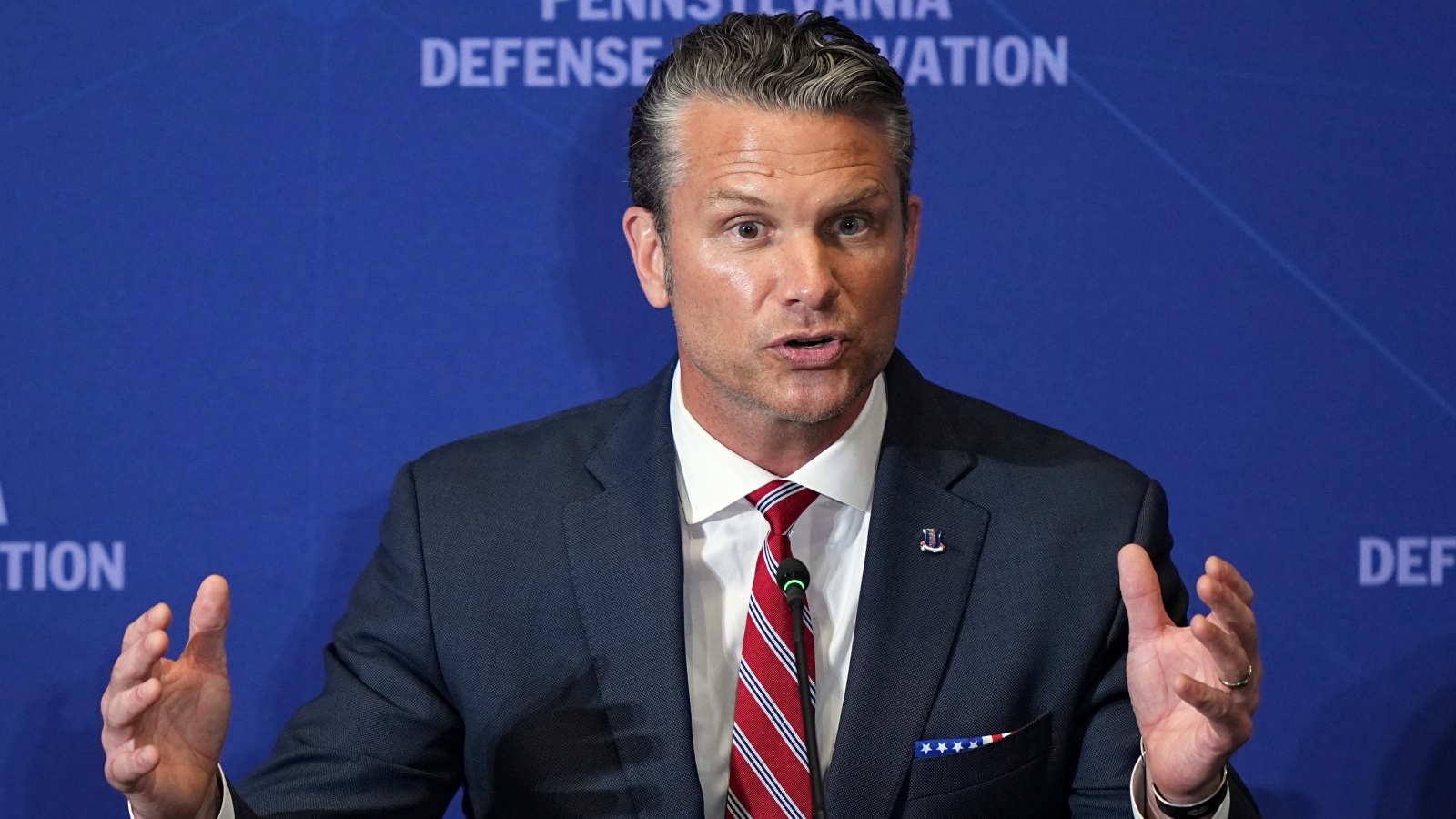
Military experts and legal analysts are already ringing alarm bells. Striking civilian power grids and infrastructure without a direct, clear military objective violates international law and could constitute war crimes. But the White House seems unbothered by the pushback. Defense Secretary Pete Hegseth summed up the administration's stance bluntly on social media: "Iran made a poor choice. Now they pay".
Tehran’s Logic of Total Resistance
Don't expect Iran to back down under the threat of economic annihilation. The regime views the Strait of Hormuz as its ultimate leverage point against Western pressure.
Following the death of long-time Ayatollah Ali Khamenei earlier this year, his son and new Supreme Leader, Mojtaba Khamenei, is using this conflict to solidify his domestic authority. In his first major public statement, he vowed that Iranians would avenge his father's death, calling revenge "the will of our nation".
The IRGC’s current strategy relies on a simple, brutal equation: if Iran cannot export oil, no one else will either. "Regional energy exports are either shared by all or denied to all," the group announced in a state media broadcast.
By launching drones at Kuwait, Bahrain, and Jordan, Tehran is trying to raise the cost of the war for America’s regional partners. They want these neighboring Gulf states to pressure Washington into backing off. Kuwait’s military confirmed its air defenses are actively intercepting hostile drones, proving the conflict is already spilling over borders.
What Happens to Global Energy Markets
The immediate threat of a prolonged closure of the Strait of Hormuz has sent shockwaves through global logistics. Shipping giants are entirely bypassing the waterway. They are ignoring a U.S. military transit program meant to safeguard commercial traffic because the risk of getting hit by an Iranian missile or a U.S. warning shot is just too high.
During previous flare-ups in this conflict, oil prices spiked to historic highs of $120 a barrel. Prices have dipped since then, but a complete, permanent block of the strait will trigger a massive energy crunch.
If you are tracking this crisis, watch these specific indicators over the next 48 hours:
- The Status of Pickaxe Mountain: Any U.S. strike on this specific nuclear-linked facility will instantly end any hope of back-channel diplomacy.
- Oman’s Mediation Efforts: Omani and Iranian foreign ministers are still holding technical talks. If Oman pulls out of its mediator role, a massive regional escalation becomes inevitable.
- Insurance Risk Premiums: Watch for maritime insurance firms to entirely withdraw coverage for the Persian Gulf, which would effectively freeze all commercial traffic regardless of what Trump or the IRGC says about the lane being "open".
The United States has deployed an overwhelming number of naval destroyers to enforce its blockade, but firepower alone cannot force open a narrow bottleneck if Iran is willing to burn down its own infrastructure to protect its red line. Both sides have run out of room to maneuver, and the margin for error has dropped to zero.