Planners in Riyadh and Washington thought they were executing a calculated chess move. Instead, they just shattered the board.
When joint air operations struck positions tied to Iraq's Popular Mobilization Forces, killing at least twenty fighters across multiple provinces, the conflict crossed a dangerous line. For the first time since the broader regional war flared up, Saudi Arabia publicly joined the United States in kinetic military action inside Iraqi sovereign territory. Read more on a similar issue: this related article.
Analysts are calling it uncharted territory for a reason. The old rules of proxy warfare are gone.
The Shattered Lull
The joint strikes didn't happen in a vacuum. They arrived immediately following a brief, fragile pause in direct American bombardments targeting Iran. Washington and Tehran had stepped back from the brink just long enough for diplomats to catch their breath. Further journalism by The Guardian explores comparable perspectives on the subject.
That breathing room lasted about five minutes.
Tehran's regional allies quickly filled the vacuum, maintaining relentless pressure on Western and allied infrastructure. When drone and missile attacks targeted energy facilities inside Saudi Arabia, Riyadh decided it was done hiding behind diplomatic channels or relying solely on defensive postures.
The Saudi defense ministry pointed the finger directly at Iran-backed factions operating out of Iraq, blaming them for the strikes on oil infrastructure. But the response went far beyond a sternly worded statement. By stepping up shoulder-to-shoulder with American fighter jets, Saudi Arabia broke decades of strategic caution regarding direct military interventions on Iraqi soil.
Baghdad Left in the Dark
If Washington and Riyadh expected quiet compliance from the Iraqi government, they miscalculated badly.
Baghdad slammed the raids as a blatant violation of national sovereignty, targeting official security institutions that operate under the state's legal umbrella. Prime Minister Ali al-Zaidi scrambled an emergency security council meeting while state officials scrambled to distance the nation from the escalating chaos.
Iraq has spent years walking a razor-thin tightrope. Balancing ties with the United States—which invaded in 2003—and Iran, which wields deep political and religious influence next door, is an impossible balancing act. When foreign jets drop bombs on Iraqi provinces like Basra, Wasit, Karbala, and Kirkuk without prior green lights from Baghdad, that tightrope snaps.
Local commanders in the Popular Mobilization Forces immediately placed their headquarters on high alert, evacuating positions to mitigate future casualties. They view the joint assault as an existential threat. That means retaliatory cycles won't just target foreign bases; they threaten to destabilize Iraq's fragile domestic governance from within.
The Escalatory Spiral
The wider region felt the shockwaves instantly.
Barely hours after the smoking ruins in Iraq cooled, Iran launched ballistic missiles toward US military installations in Jordan, signaling that any regional pause was completely dead. US Central Command reported interceptions, but the message from Tehran was unmistakable. If the Gulf states and Washington think they can scale up the ladder without triggering direct blowback, they are reading the room wrong.
Policy experts point out that Riyadh's new unpredictability is a double-edged sword. For years, Gulf capitals worried that hitting back hard would invite overwhelming retaliation, leaving them vulnerable to economic devastation. By joining the United States to strike the PMF, Saudi leadership wanted to prove that narrative obsolete.
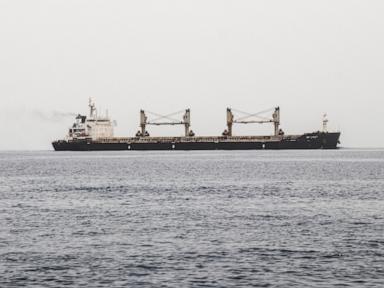
Yet, predictability works both ways. When you abandon the status quo, you lose control over how your adversary calculates survival. Iran views the current campaign as an existential struggle. Cornered actors don't de-escalate; they lash out across multiple fronts, from Red Sea shipping lanes to energy pipelines.
What Happens Next on the Ground
Intelligence briefings and security alerts across Baghdad paint a grim picture for the immediate future. The US Embassy has warned American citizens of severe security risks as militia networks mobilize. Commercial transit through vital regional choke points remains under threat, and oil markets are twitching in response to every new missile launch.
The immediate path forward requires an honest assessment of risk rather than blind optimism. Diplomatic backchannels are currently jammed, choked by mutual distrust and a lack of plausible deniability. Every time a bomb falls on an Iraqi facility, the distance between localized proxy friction and total regional conflagration shrinks.
The threshold has been crossed. Managing the fallout will test every diplomatic framework left standing in the Middle East.