Violence in the West Bank is reaching a tipping point again. Following recent clashes that left an Israeli civilian and four Palestinians dead, the Israeli military announced preparations for a large-scale operation in the area. Tensions have been brewing for months, but this fresh wave of deadly encounters has accelerated military planning.
If you are trying to make sense of what is happening on the ground right now, you have to look past the immediate headlines. The situation isn't just about a single security incident. It represents a broader, long-term breakdown in stability across the West Bank that threatens to pull the entire region into a deeper security crisis.
Tensions Peak After Deadly Attacks in the West Bank
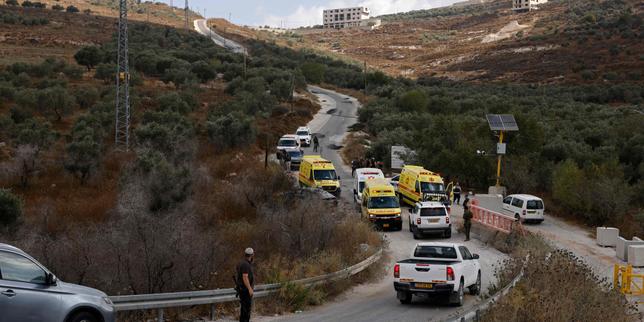
The military's statement came shortly after violent confrontations broke out in multiple locations. An Israeli citizen was killed in an attack, while four Palestinians lost their lives during subsequent clashes with armed forces and settlers.
These events didn't happen in a vacuum. Security forces have stepped up raids across Palestinian towns and refugee camps over recent months, citing an increase in intelligence regarding planned attacks. Local Palestinian communities report that these constant raids, coupled with expanding settlement activity and rising settler violence, have pushed local frustration to unprecedented levels.
When security breaks down to this degree, both sides brace for impact. Israel's defense leadership faces pressure to restore deterrence, while Palestinian factions call for resistance against incoming military movements.
Why Military Raids Are Expanding Rapidly
The Israeli Defense Forces (IDF) have signaled that localized raids might no longer be enough to curb the threat environment. The planned operation aims to target militant infrastructure, seize illegal weaponry, and disrupt operational cells operating out of densely populated urban areas like Jenin and Nablus.
However, large-scale operations carry massive risks:
- Civilian casualties: Dense urban environments mean non-combatants frequently get caught in the crossfire.
- Destruction of infrastructure: Heavy military machinery often damages roads, water lines, and power grids during raids.
- Risk of wider conflict: Heavy handiness in the West Bank can trigger rocket fire from Gaza or drag regional actors into the mix.
Security analysts often debate whether these military sweeps actually deliver long-term security. While they disrupt immediate threats, they also radicalize younger generations who see no diplomatic horizon or economic future.
The Role of the Palestinian Authority
A central factor in this deteriorating security environment is the weakening state of the Palestinian Authority (PA). Domestically, the PA faces severe criticism over corruption, lack of democratic elections, and perceived security cooperation with Israel.
As the PA loses its grip on northern cities, local armed groups and independent militias have filled the vacuum. This loss of governance makes it almost impossible for local Palestinian law enforcement to maintain order, leaving military intervention as the primary force on the ground.
Navigating the Security Crisis and Staying Informed
Understanding the geopolitical dynamics of the Middle East requires tracking reliable updates rather than sensationalized reporting. To keep up with developments effectively:
- Follow verified news outlets: Stick to established international reporting and independent journalists operating directly on the ground.
- Monitor official statements: Pay attention to direct briefings from military spokespersons and international diplomatic bodies like the UN Security Council.
- Analyze structural causes: Look beyond daily casualty reports to understand underlying policy shifts, territorial disputes, and regional diplomacy efforts.