Cultural heritage sites are supposed to bring human history together. Sometimes they do the exact opposite.
When the UNESCO World Heritage Committee met in Busan, South Korea, they voted to add the West Bank town of Sebastia and a collection of five historic castles in southern Lebanon to the UNESCO World Heritage List. To make the move even more urgent, both nominations were simultaneously placed on the List of World Heritage in Danger under emergency rules.
The decision ignited immediate pushback from Israel. Israeli officials accused the committee of letting political motives override historical accuracy.
History in the Middle East is never just about old stones. It’s about land, national identity, and who gets to tell the story of the past.
What Makes Sebastia and the Mount Amel Castles So Important
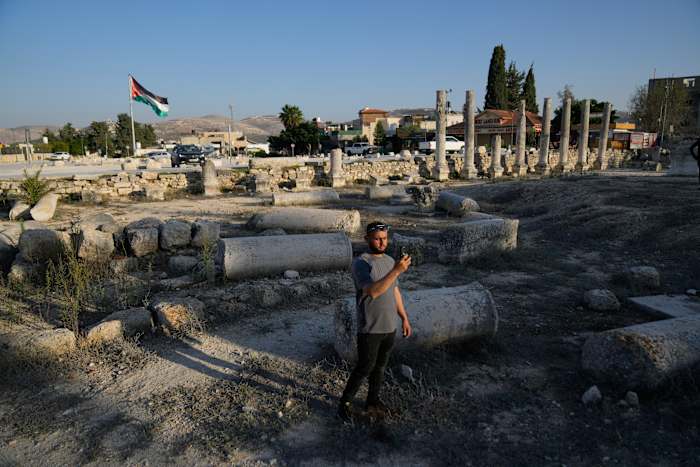
Sebastia isn't just another sleepy village. Sitting roughly six miles northwest of Nablus in the West Bank, it holds layers of human civilization spanning the Iron Age, Roman, Byzantine, and Islamic eras.
Historians recognize Sebastia as ancient Samaria. It served as the capital of the biblical Kingdom of Israel in the 9th and 8th centuries BCE. Walk through the area today and you'll spot Roman colonnades, ancient fortifications, and religious shrines. Christian and Islamic tradition holds that John the Baptist was buried right here.
The Palestinian delegation first submitted Sebastia’s nomination back in 2012. They argued that official World Heritage status was essential to protect the ruins from decay, neglect, and surrounding land disputes under Israeli occupation.
Further north, the Lebanese nomination centers on five historic castles in the Mount Amel region. Beaufort Castle is the most prominent among them. These fortresses showcase a complex architectural evolution spanning nearly nine centuries. Crusader knights, Ayyubid commanders, and Mamluk builders all left their mark on these stone walls.
For Lebanon, securing World Heritage status was a crucial effort to safeguard these strategic landmarks amid regional conflicts.
The Arguments Behind the Israeli Objections
Israel’s foreign ministry didn't hold back in its criticism of the vote. They called the emergency nominations a "weaponization of cultural heritage."
Israeli officials argued that fast-tracking Sebastia erased deep Jewish historical ties to ancient Samaria. From their perspective, the Palestinian Authority used UNESCO as a political tool to establish ownership over disputed territory rather than focus purely on historic conservation.
Israel actually withdrew its full membership from UNESCO back in 2019, citing systemic bias and unfair treatment regarding Holy Land sites. Attending the Busan meeting only as observers, Israeli delegates maintained that politicization was ruining the integrity of global heritage preservation.
When it comes to the Lebanese castles, Israeli officials expressed concern over the proximity of the sites to active border conflict zones, raising questions about site management and security.
Heritage in Danger and What Happens Next
Placing these sites on the List of World Heritage in Danger isn't just a symbolic label. It opens doors for international technical aid, potential conservation funding, and heightened monitoring by global experts.
Lebanese delegates emphasized during the committee meetings that sites like Beaufort Castle serve purely cultural and tourism functions today. Meanwhile, Palestinian representatives celebrated the vote as recognition of local preservation efforts despite decades of hardship.
If you follow international affairs, keep a close eye on how UNESCO handles these sites going forward. You can monitor official site evaluations and conservation updates directly through the UNESCO World Heritage Centre. Paying attention to how international heritage laws interact with local territorial disputes gives you a far clearer picture of modern Middle Eastern politics than headlines alone ever will.