High-pressure water streams are tearing through maritime equipment in the South China Sea while foreign ministers sip coffee behind closed doors in Manila. It looks contradictory on the surface. Why launch aggressive tactics at sea precisely when top diplomats—including U.S. Secretary of State Marco Rubio and Chinese Foreign Minister Wang Yi—are gathering in the Philippine capital for ASEAN meetings?
It isn't a breakdown in communication. It's a calculated strategy.
Beijing's deployment of water cannons against Philippine fisheries vessels near Scarborough Shoal isn't random timing. It's a deliberate, high-stakes signal designed to set boundaries at the negotiating table before ink ever hits paper.
What Really Happened Off Scarborough Shoal
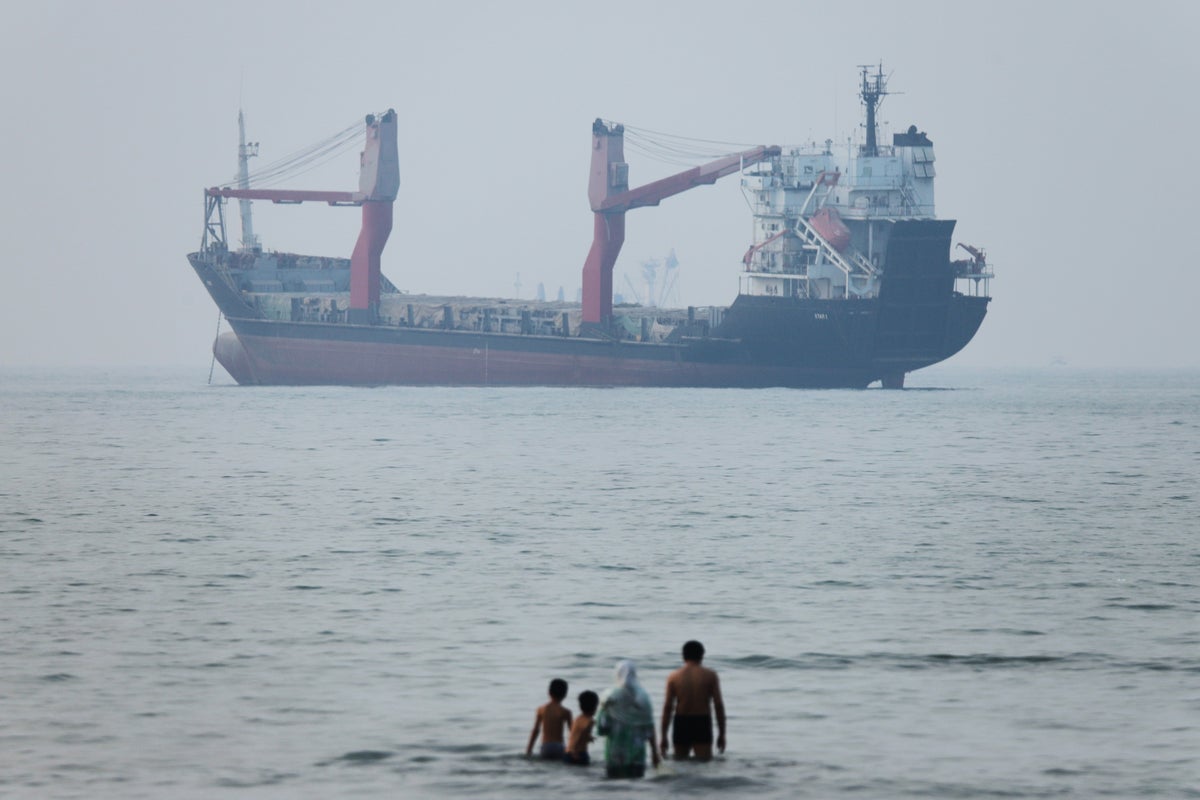
Chinese coast guard vessels targeted two Philippine ships—including the BRP Datux Paduhinog—operating near Scarborough Shoal. The Philippine vessels were executing a routine humanitarian and supply mission under the country's Kadiwa ng Bagong Bayaning Mangingisda program. This program provides fuel subsidies and essential provisions to local fishermen in their traditional grounds.
According to Philippine Coast Guard spokesperson Rear Admiral Jay Tarriela, a Chinese coast guard vessel closed in to a dangerous distance of just seven meters (23 feet). It unleashed powerful water cannons, scoring direct hits on equipment. Manila condemned the move as a direct violation of international collision regulations (COLREGs) and a threat to crew safety.
China's coast guard fired back with its own narrative. Beijing claimed multiple Philippine ships illegally intruded into Chinese territorial waters around what they call Huangyan Dao. Beijing insisted its forces used "standard, professional, and lawful" interception measures to drive the Filipino vessels away.
This wasn't an isolated scuffle. It marked the third major confrontation in disputed waters in a single week. Just days earlier at Second Thomas Shoal, a separate clash injured Philippine sailors after Chinese personnel used wooden poles and aggressive boarding maneuvers.
INCIDENT SUMMARY: SCARBOROUGH SHOAL FACEOFF
----------------------------------------------------------------------
Location:          Scarborough Shoal (Bajo de Masinloc)
Philippine Vessel: BRP Datux Paduhinog & BFAR auxiliary craft
Chinese Force:     China Coast Guard (CCG)
Tactic Used:       Water cannon blast & 7-meter close-range pass
Mission Type:      Fuel subsidy & provisions delivery to fishermen
Diplomatic Context:ASEAN Foreign Ministers Summit in Manila
----------------------------------------------------------------------
The Diplomatic Irony in Manila
Inside the summit venues in Manila, the atmosphere was strictly polished. ASEAN diplomats welcomed "significant progress" on a long-delayed Code of Conduct for the South China Sea, aiming to wrap up formal guidelines to prevent armed conflict.
Out on the water, reality tells a different story.
The disconnect between diplomatic speeches and grey-zone physical force is deliberate. By maintaining military pressure during high-level summits, Beijing accomplishes three distinct goals:
- Normalizing Presence: Operating coast guard vessels continuously inside the Philippine Exclusive Economic Zone (EEZ) creates a de facto norm of Chinese control.
- Testing Red Lines: Water cannons damage hulls and electronics without crossing the threshold of kinetic missile strikes that could trigger the 1951 U.S.-Philippines Mutual Defense Treaty.
- Leverage in Bargaining: Pushing Manila on the water pressures Philippine leadership to make concessions during negotiations on resource sharing or maritime protocols.
When Wang Yi warned Manila that continuing these missions would lead to "bitter consequences of its own making," he was connecting the sea maneuvers directly to diplomatic posturing.
Why Water Cannons Are China's Weapon of Choice
People often wonder why a superpower uses water cannons instead of naval artillery. The answer lies in the legal grey zone.
Under international maritime law, using naval force against a sovereign state's government vessel constitutes an act of war. Water cannons, however, fall into a gray area of non-lethal maritime law enforcement.
The pressure behind these industrial cannons is immense. They can shatter glass, destroy radar systems, knock sailors off balance, and flood engine rooms. Yet, Beijing can claim it is merely performing "routine coast guard enforcement" without triggering open war.
It allows Beijing to dismiss the 2016 Hague Arbitration Ruling—which explicitly invalidated China's expansive line claims under UNCLOS—without firing a single missile.
How Manila Is Changing Its Playbook
The Philippines under President Ferdinand Marcos Jr. isn't using the old playbooks anymore. Manila used to keep maritime skirmishes quiet to preserve diplomatic relations with Beijing. Today, the strategy relies on radical transparency.
Manila regularly embeds journalists, films Chinese maneuvers with high-definition drones, and posts raw footage directly to social media within hours of an encounter.
This transparency strategy forces foreign governments to publicly take a stance. During this week's incidents, ASEAN members, Western allies, and Quad representatives issued immediate statements condemning maritime aggression.
Next Steps for Regional Stability
The persistent escalation at Scarborough Shoal leaves little room for passivity. If you are following South China Sea geopolitics or analyzing regional maritime security, keep these key factors on your radar:
- Track Joint Maritime Patrols: Watch for increased joint freedom-of-navigation operations between the Philippine Navy, the U.S., Australia, and Japan. Increased escort presence directly changes the cost-benefit analysis for coast guard blockades.
- Monitor Code of Conduct Drafts: Pay attention to whether the proposed ASEAN-China Code of Conduct includes legally binding enforcement mechanisms or remains a non-binding framework.
- Follow Supply Mission Logistics: Philippine fisheries agencies (BFAR) are hardening ship communication arrays and modifying supply routes to protect civilian crews carrying essential provisions.
The standoff in the South China Sea isn't cooling down. As long as physical enforcement on the water outpaces diplomatic dialogue in the conference room, the risk of miscalculation remains at an all-time high.