Reports indicating President Donald Trump is weighing military strikes in Mali signal a sharp expansion of foreign counterterrorism operations. If executed, Mali would mark the eighth country targeted for military strikes during this administration term, following actions across Syria, Somalia, Yemen, Iraq, and beyond. Officials frame the potential intervention around targeting groups linked to al-Qaeda in West Africa. However, the operational reality on the ground involves a complex web of junta politics, foreign mercenaries, and deteriorating regional security that airstrikes alone cannot fix.
The Sahel Power Vacuum
Strikes in the Sahel region do not happen in a political vacuum. Since seizing power in consecutive military coups, the junta in Bamako systematically cut ties with traditional Western security partners, including French armed forces and United Nations peacekeeping missions. In their place, Mali's military leadership invited Russian private military personnel to secure their regime.
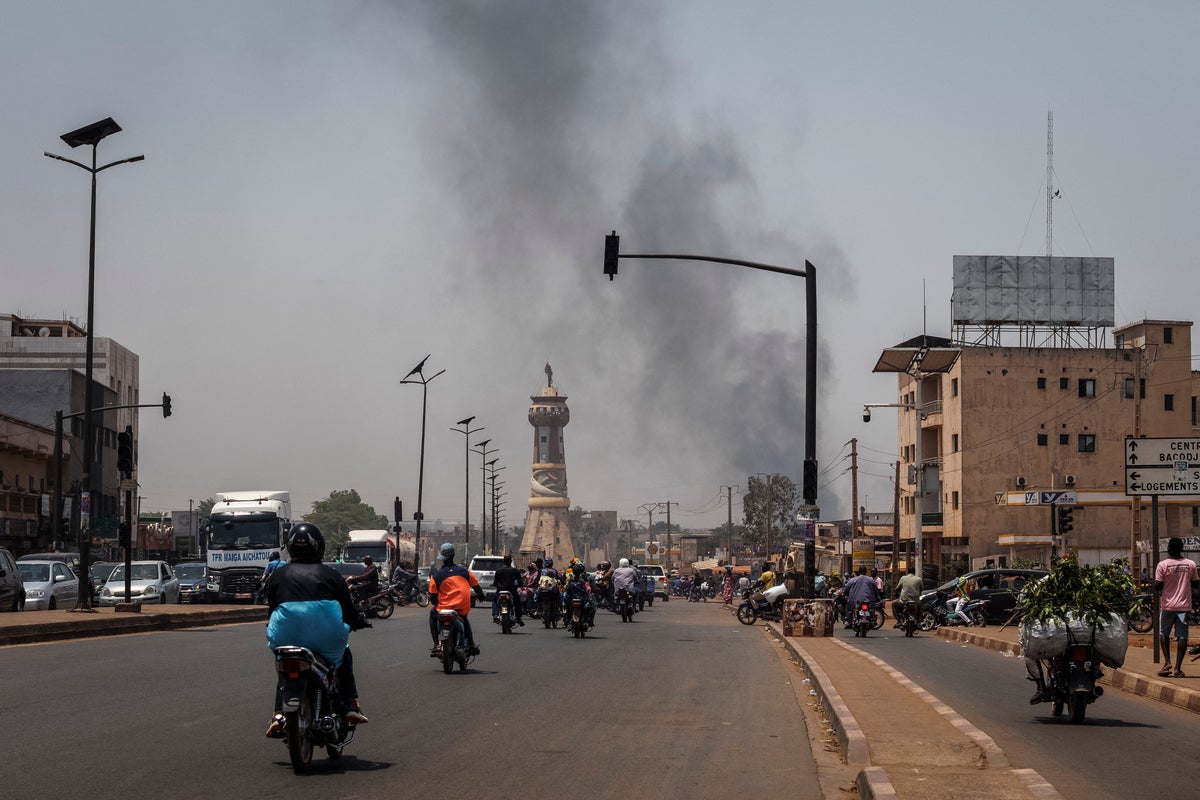
Washington’s strategic calculus is driven by fear that al-Qaeda affiliates like JNIM are capitalizing on this friction. Islamist militants currently control large swathes of northern and central Mali, pushing south toward the capital. Sending American drones or precision munitions into this operational area creates massive tactical complications. Deconfliction with local forces and foreign contractors becomes an immediate hazard.
Why Kinetic Solutions Fail Long Term
Air campaigns offer quick political headlines, but military history in North and West Africa shows clear limits to kinetic action. Targeting insurgent commanders from the air leaves the underlying drivers of insurgency untouched. Poor governance, endemic corruption, and severe human rights abuses by local security forces routinely drive civilian populations into the arms of extremist groups.
Without reliable ground intelligence or local partner forces on the ground, airstrikes risk causing civilian casualties that further destabilize the region. High-altitude interventions often create power vacuums rather than stability.
The Real Cost of Expanding Operational Footprints
Each new theater of engagement strains intelligence assets and logistical pipelines. Expanding military strikes into an eighth sovereign country deepens military commitments while strategic priorities elsewhere demand attention. Military operations require persistent surveillance, search-and-rescue capabilities, and clear political exit strategies.
Mali lacks the operational infrastructure that supported decade-long counterterrorism campaigns in the Middle East. Operating in West Africa without established forward operating bases forces military planners to rely on longer flight paths and riskier long-range missions.
Beyond the Headline Target
The push for military intervention in West Africa underscores a persistent foreign policy habit, reaching for kinetic tools to solve structural political breakdowns. Air strikes may temporarily disrupt insurgent networks, but they cannot replace political stability, effective governance, or local security institutions. Executing military strikes in Mali might add another nation to the operational registry, but it leaves the core crisis in the Sahel completely unresolved.