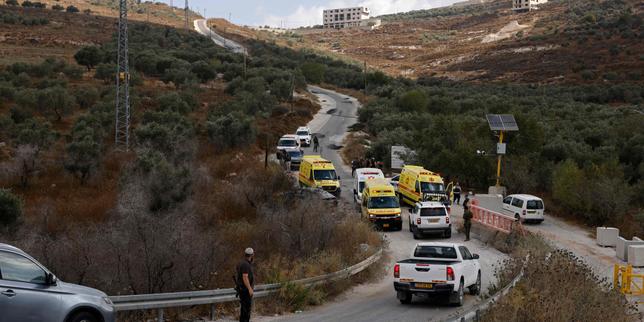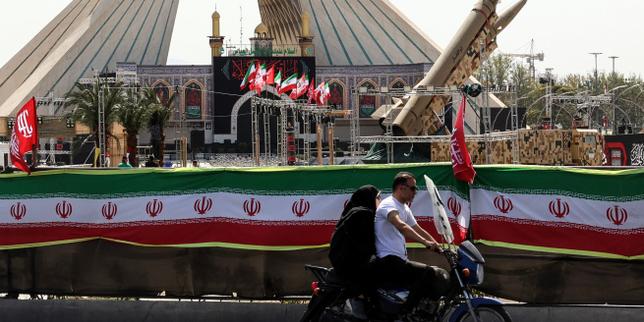
Tensions across the Middle East reached a dangerous breaking point following a thirteenth consecutive night of heavy U.S. bombardment across regional target zones. In a sharp retaliation, the Iranian military formally claimed direct responsibility for launching targeted drone raids against strategic sites in Bahrain and Jordan.
Military analysts expected responses, but direct regional escalation shifts the entire baseline. Strikes on Bahrain and Jordan signal a clear expansion of combat boundaries, threatening crucial shipping routes, regional infrastructure, and diplomatic stability. For an alternative look, read: this related article.
Regional Defense Networks Tested by Prolonged Bombardment
Thirteen straight nights of targeted strikes by U.S. forces aimed to neutralize regional offensive capacity. Instead of backing down, regional forces shifted tactics. Iran’s military communications confirmed the deployment of unmanned aerial vehicles against military installations and regional logistics hubs in Bahrain and Jordan.
Bahrain hosts key international naval defense infrastructure, making any air strike there an immediate concern for global trade and maritime security. Air defense systems operating in both Bahrain and Jordan engaged multiple airborne targets, though military officials continue evaluating exact damage metrics and structural impacts. Similar reporting on the subject has been published by NBC News.
Reports from ground observation posts near civilian centers noted activated air raid warnings and visible defense intercepts overnight. Airspace over parts of Jordan saw brief closures as civilian aviation authorities redirected commercial flights to prevent mid-air incidents during active defense intercept windows.
Expanding Combat Zones Across Central Middle East Corridors
The choice of targets marks a deliberate shift in strategy. Jordan shares key security partnerships across the region, while Bahrain serves as a focal point for international maritime protection forces. By striking these specific nations, military command structures are testing regional readiness and response times.
Drones pose a distinct tactical problem for regional air defense networks. Unmanned systems fly low, carry significant explosive payloads, and cost a fraction of the advanced interceptor missiles required to shoot them down. Sustaining defense operations against waves of low-cost drones drains high-grade air defense inventories fast.
Governments in the region issued immediate statements emphasizing national defense readiness and warning against further violations of sovereign airspace. International diplomatic efforts remain stalled as military actions overtake negotiation attempts.
Direct Impact on Regional Trade and Economic Stability
Continued military actions directly threaten key commercial channels. Shipping lines operating near the Persian Gulf and adjacent waterways face rising insurance premiums and potential route diversions. Disruptions near key transit points instantly raise global energy prices and delay global supply chains.
Local infrastructure remains on high alert. Defense forces in Bahrain increased patrols near port entries, while Jordanian military units tightened border security controls along strategic transit points.
Track official security bulletins from local civil defense authorities if you live or operate within the affected corridors. Keep emergency protocols updated, monitor regional travel advisories, and verify transport routes before executing commercial logistics plans through active air defense zones.