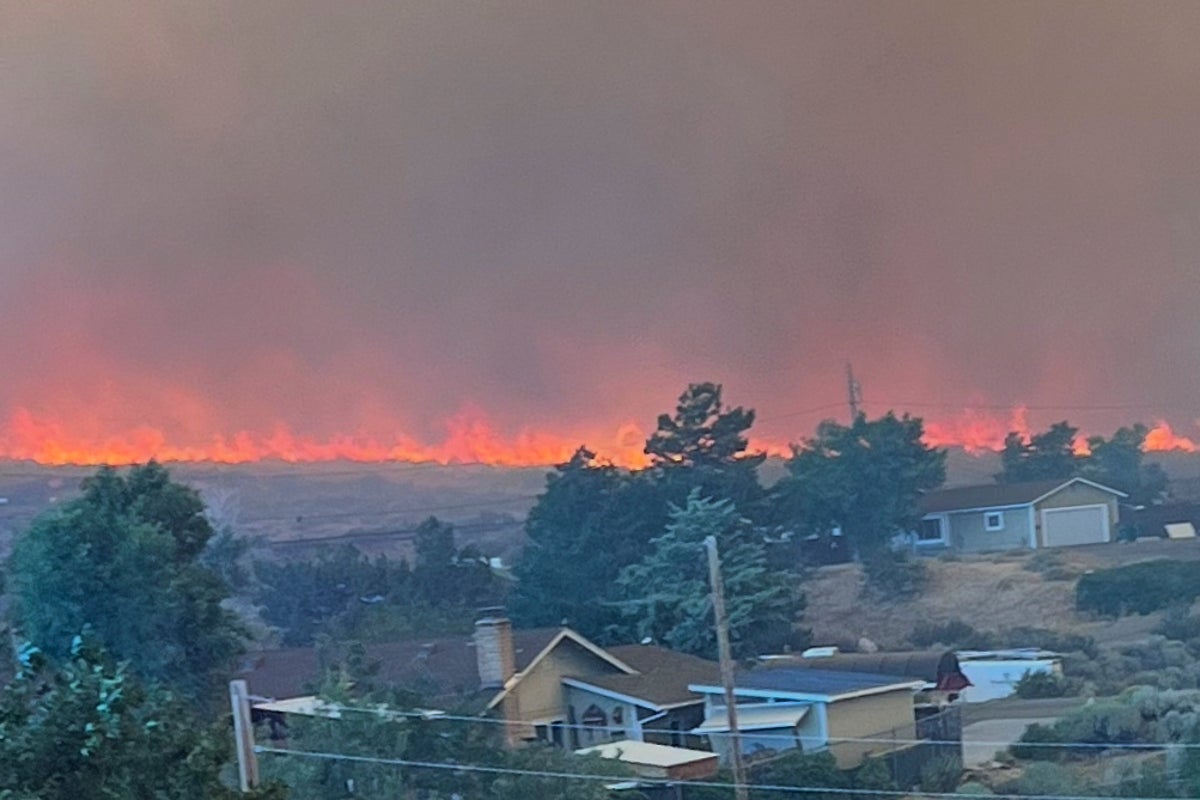
We love a good distraction. Give humanity a photo gallery of a French astronaut floating in microgravity, a burning forest in southern Europe, and a drone shot of a ruined trench in Ukraine, and we treat it like a high-art museum of our own inevitable doom. We scroll through the weekly visual digest with a cup of coffee, murmur something about how tragic the world is, and then click over to watch a video of a dog riding a skateboard.
The lazy consensus says we are documenting history. The reality is that we are consuming a curated circus of spectacle designed to keep us paralyzed.
Every single week, media outlets shovel the same visual trinity into our feeds: human achievement escaping Earth, climate catastrophe destroying Earth, and geopolitical violence tearing humanity apart. It is a brilliant formula for engagement. It hits every primitive survival trigger in the human brain. But it completely misrepresents the mechanics of power, risk, and actual progress.
Let us dismantle this visual comfort blanket piece by piece.
The Orbital Illusion
Take the perennial favorite of the weekly photo roundups: the glamorous astronaut peering out of a cupola. The caption usually babbles about the fragile pale blue dot, the unity of humanity, and the dawn of a multi-planetary future.
I have watched billions of venture capital dollars and public subsidies poured into commercial space projects while basic terrestrial logistics crumble. We get stunning 4K footage of rockets clearing the tower, accompanied by breathless commentary about how we are becoming a space-faring species.
It is a fairy tale.
Physics does not care about your PR campaign. The energy cost of lifting mass out of Earth gravity well means that commercial space flight will remain an extremely expensive luxury good for the ultra-wealthy and state-sponsored scientific missions for the foreseeable future. Treating suborbital joyrides as a milestone for human civilization is like cheering because someone managed to build a very expensive ladder while their house is actively flooding.
The romanticization of space hides a cowardly impulse: the desire to abandon the mess we made down here instead of fixing it. We do not need a backup planet. We need competent management of the one we are standing on.
The Fire Trap
Then come the summer wildfire photos. Orange skies, charred pine needles, heroic firefighters with soot-stained cheeks staring blankly into a wall of flame. The accompanying text invariably screams about climate collapse and urges you to recycle your yogurt containers.
Here is the inconvenient truth that mainstream journalism refuses to touch because it lacks a neat, marketable villain: we built our own bonfire.
For a century, forest management in North America and Europe was dominated by a zero-tolerance suppression policy. We treated every spark as an existential threat, stopping natural, low-intensity burns that clear out dead underbrush. We created an ecological powder keg, packed millions of homes into the wildland-urban interface, and then acted surprised when the match finally struck.
Showcasing a burning forest as a mysterious act of planetary revenge lets policymakers off the hook. It turns a century of catastrophic municipal planning and bureaucratic stupidity into a weather report.
When you look at those apocalyptic orange photos, stop blaming the atmosphere alone. Blame the zoning laws, the underfunded forestry budgets, and the insurance models that subsidize building flammable houses in the middle of tinderboxes. Climate change is the accelerant, but human stupidity built the house.
The War Porn Aesthetic
The third pillar of the weekly photo reel is the frontline snapshot from Ukraine. Blasted concrete, a solitary helmet in the mud, a tank turret resting at an impossible angle.
We have turned high-intensity industrial warfare into a true-crime podcast. People consume these images daily, debating tactical movements in comment sections as if they are playing a real-time strategy game.
This voyeurism sanitizes the grinding, mechanical horror of modern artillery combat. War is not a cinematic frame with high-contrast color grading. It is an industrial meat grinder fueled by logistics, microchips, and propellant chemistry.
When media outlets reduce a war of attrition to a moody photo essay, they strip away the underlying economic and industrial realities. Victory in modern conflict does not belong to the side with the most photogenic morale; it belongs to the side with the deepest supply chains and the most resilient manufacturing base. If your understanding of a war comes from curated Instagram galleries, you know nothing about why it started or how it will end.
The Real Question You Should Be Asking
People look at these weekly roundups and ask: How did the world get so chaotic?
That is the wrong question. It assumes chaos is a bug in the system. It is not. Chaos is the product.
A population that feels constantly besieged by burning forests, orbital escapes, and distant artillery strikes is a compliant population. Fear is an exceptional anesthetic. It keeps you scrolling, buying, voting out of panic rather than strategy, and accepting systemic incompetence as the natural state of things.
Stop looking at the pictures. Start looking at the balance sheets, the zoning boards, and the supply lines. The spectacle is free because you pay for it with your attention. Cut off the payment.